Neighborhood Re:connect
Kateryna Rodynchuk, Melania Yatskiv, Lviv Polytechnic National University
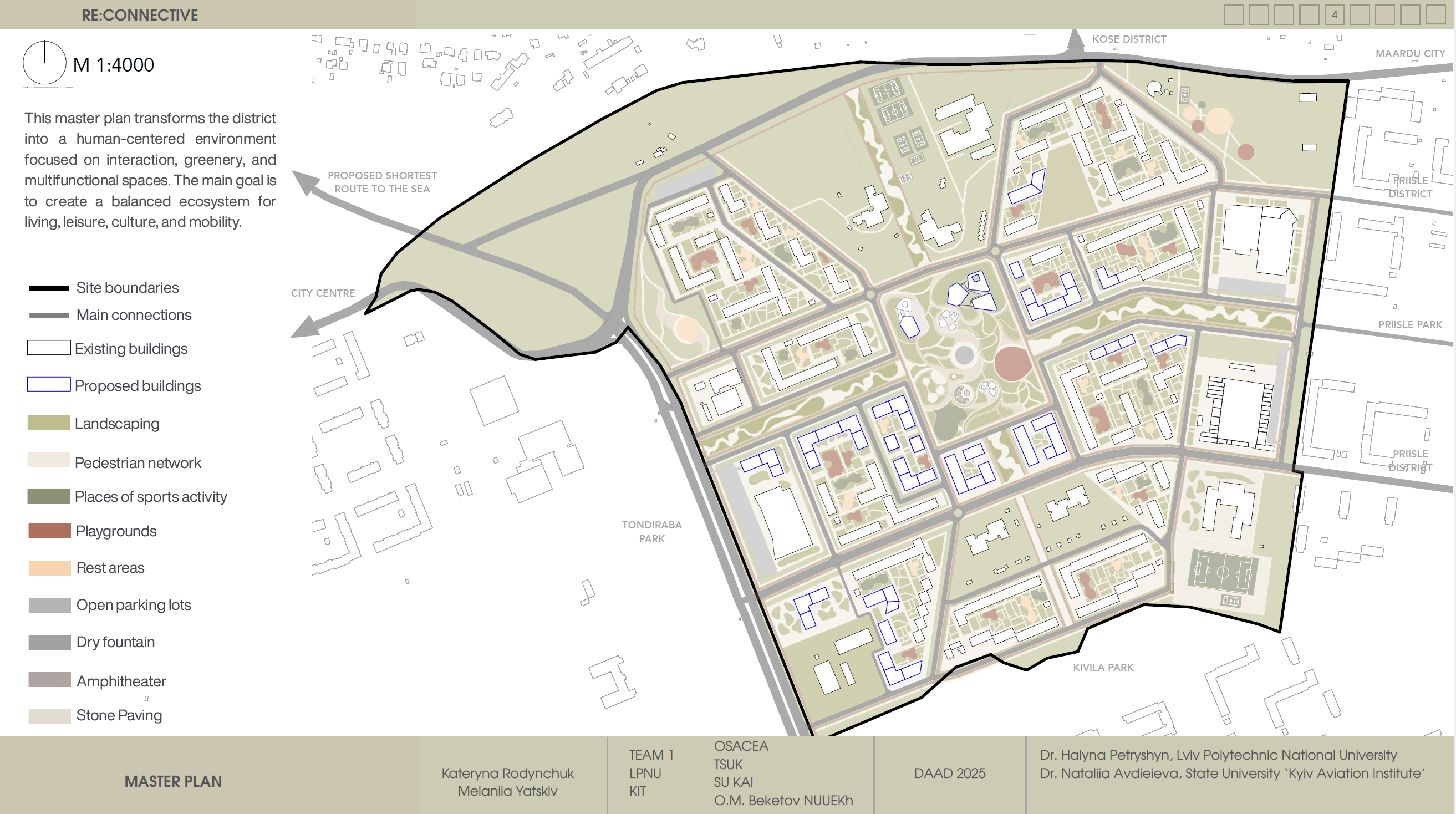
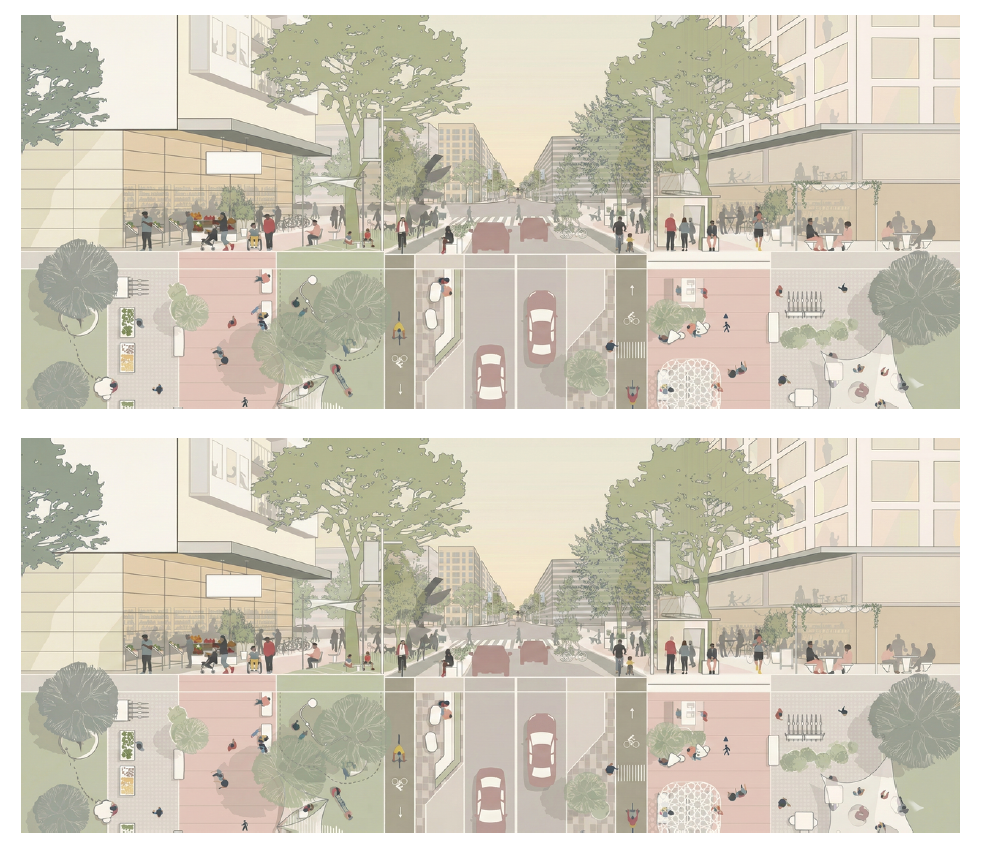
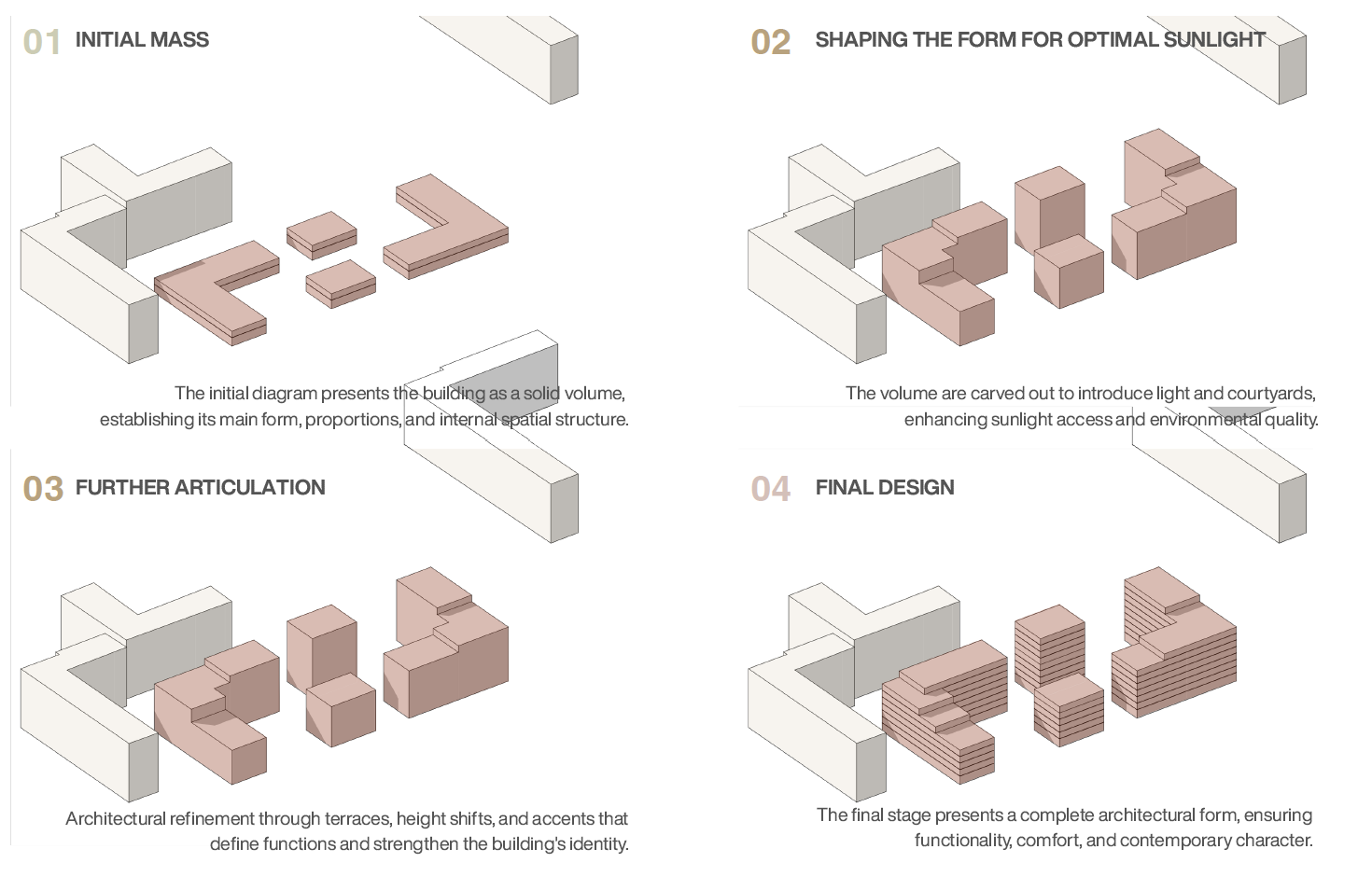
Neighborhood Re:connect focuses on re-establishing human-centered urban life in the Kuristiku district of Lasnamäe, Tallinn. The project addresses the lack of social spaces and local identity by reorganizing the district’s spatial structure at multiple scales—from the district level to the neighborhood and human scale. Through the introduction of the 15-minute city concept, community-oriented public spaces, and a long-term development framework, the proposal aims to strengthen social cohesion and everyday urban life. A central design strategy is the transformation of underused spaces between buildings into active, car-free courtyards, streets, and hubs for interaction. Guided by the 5H model—Human, Home, Hubs, Harmony, and Health—the masterplan increases density while preserving environmental quality, enhancing green infrastructure, improving pedestrian connectivity, and integrating new buildings sensitively into the existing context. Together, these strategies form a coherent framework for transforming Kuristiku into a socially resilient, inclusive, and livable urban neighborhood.
KURISTIKU GARDEN
Viktoria Dukhina, Odesa State Academy of Construction and Architecture
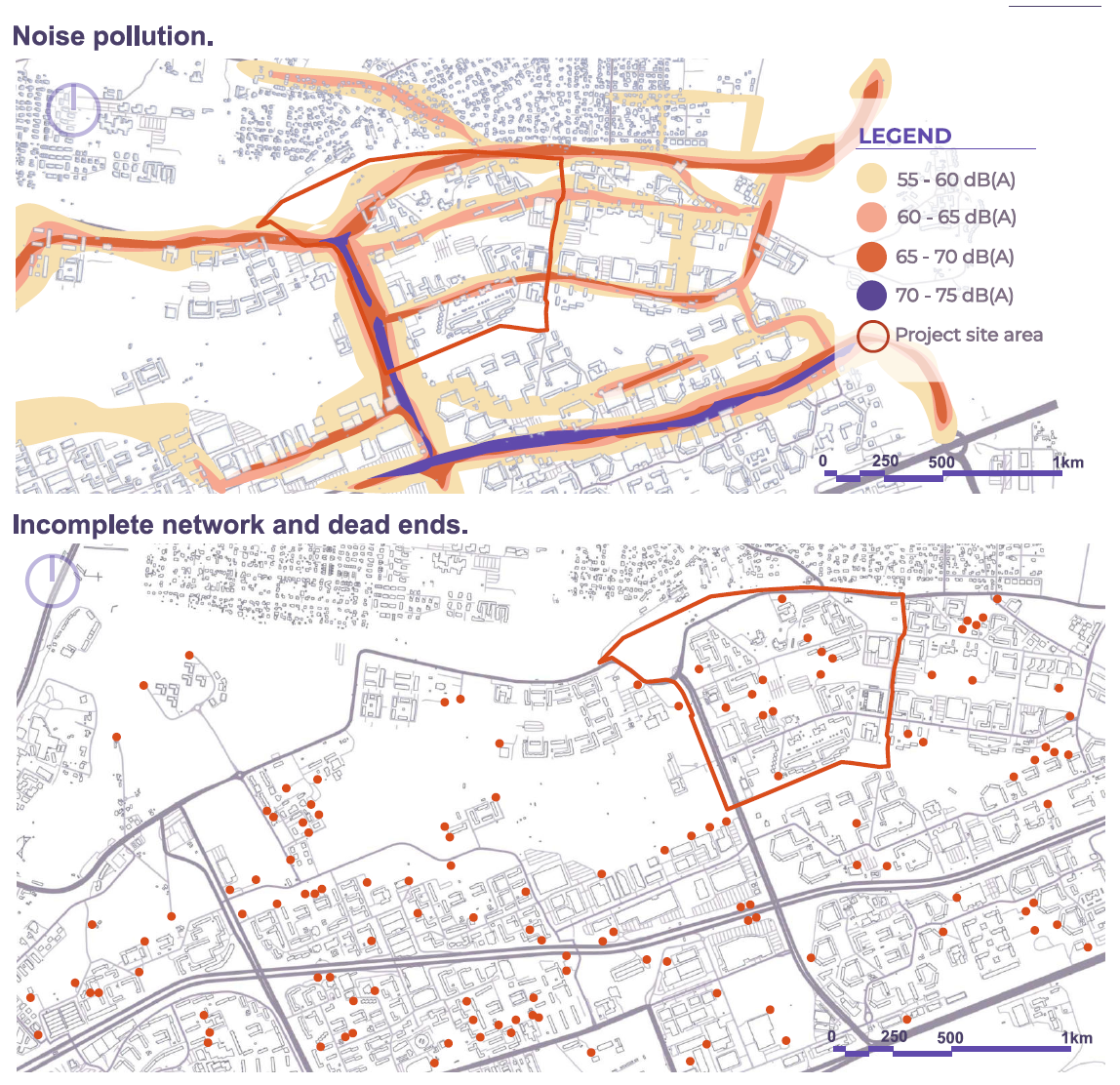
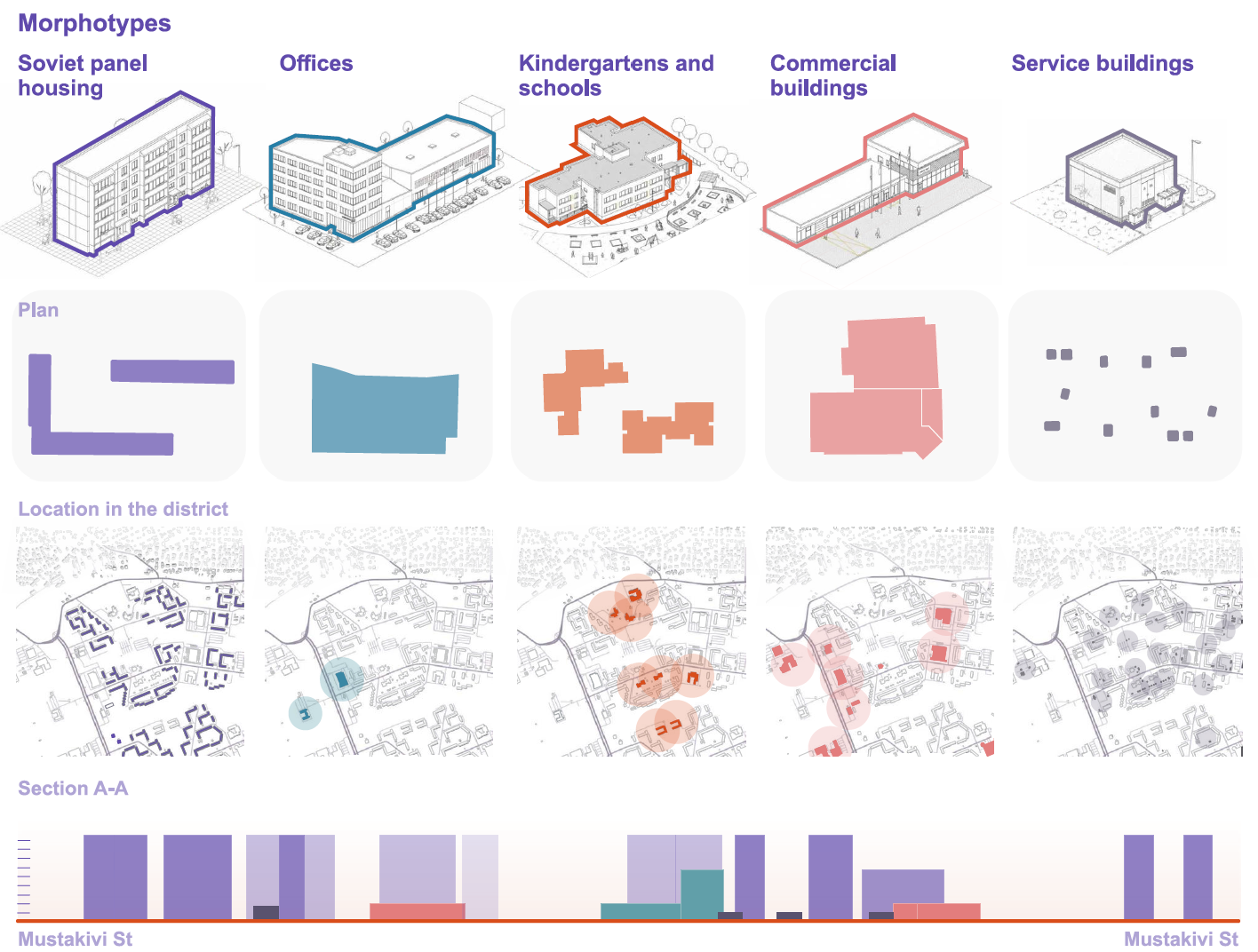
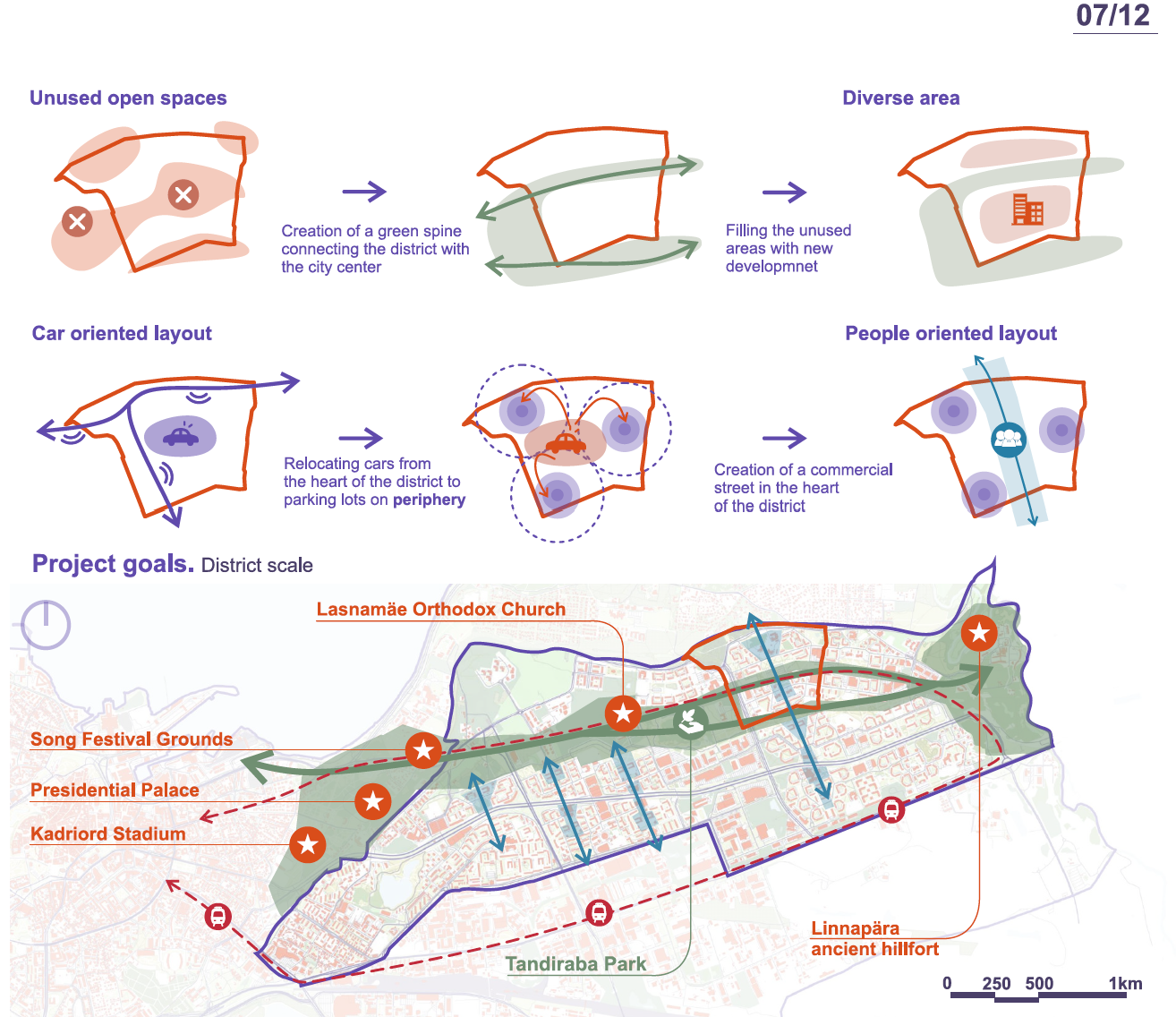
Kuristiku Garden is a regeneration project that repositions a Soviet-era microdistrict as a people-oriented, landscape-driven urban system. Its central goal is to transform car-dominated open space into a coherent framework where green infrastructure, public life, and sustainable mobility reinforce one another. The project establishes a clear spatial identity by prioritizing continuous green networks, active public spaces, and integrated mobility over fragmented lawns and surface parking. By aligning ecological corridors with pedestrian movement and future public transport, Kuristiku Garden reconnects the district both internally and to the wider city. Ultimately, the project aims to demonstrate how post-socialist residential areas can evolve into resilient, inclusive, and climate-responsive urban environments, shifting the focus from isolated housing estates to connected, living neighborhoods embedded within Tallinn’s metropolitan structure.
Life Leap
Terekhova Vladyslava, Vlasenko Dariia, O.M. Beketov National University of Urban Economy in Kharkiv
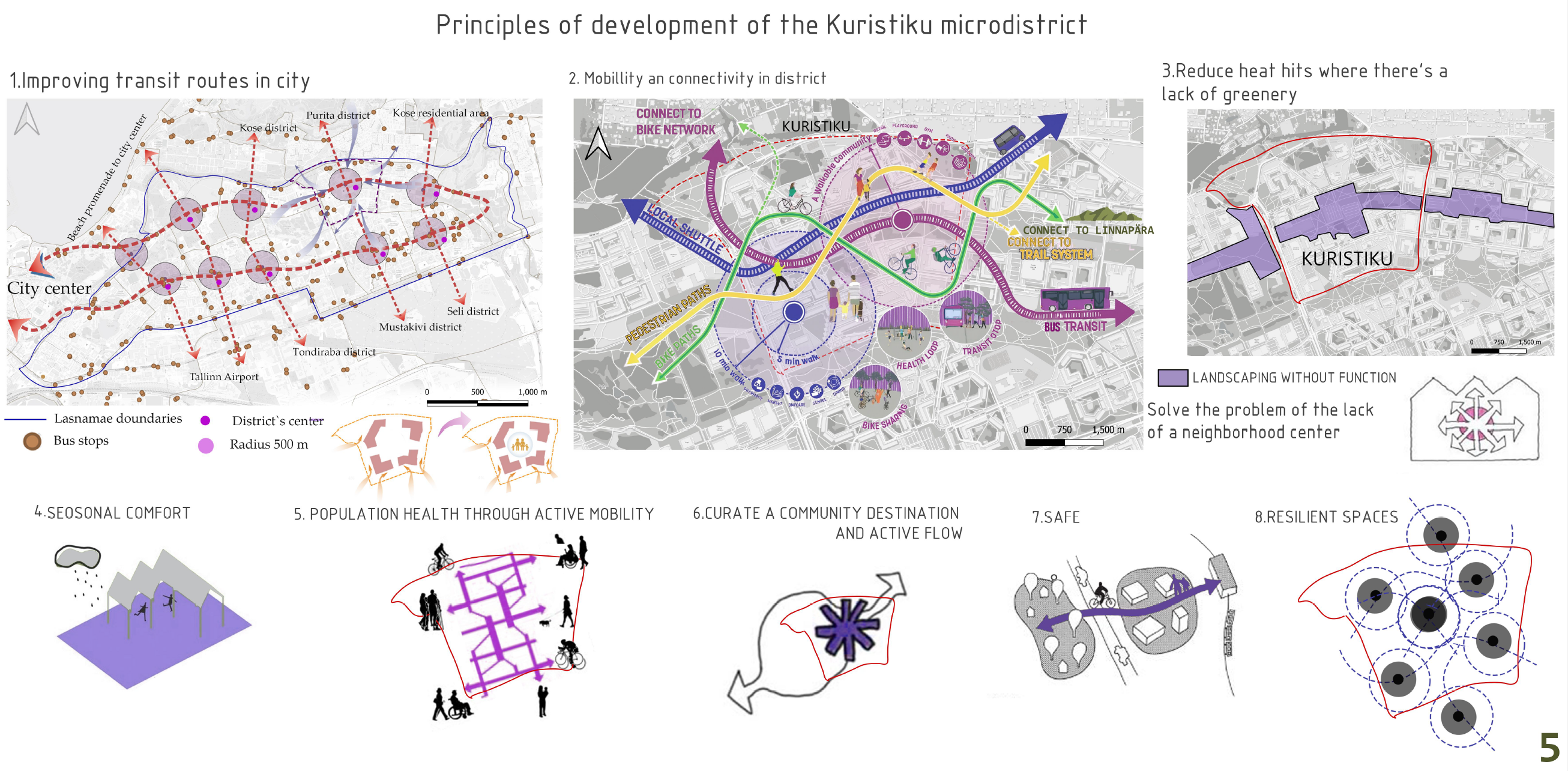
The concept proposes the transformation of the Kuristiku microdistrict from a fragmented, parking-dominated Soviet residential area into a compact, multifunctional, and pedestrian-oriented district center. The strategy is based on reducing surface parking through perimeter and multi-level garages, freeing space for greenery and public use. Vacant and underused plots are reactivated through mixed-use development, tactical urbanism, and increased density, supporting a 15-minute city model. Cultural and recreational hubs are introduced within green corridors and courtyards, while ground floors and facades are activated to support everyday social life. Existing panel housing is renovated with energy-efficient solutions and complemented by selective infill development. Together, these measures create a coherent public-space network that reconnects courtyards, parks, and streets, enhancing Kuristiku’s livability, competitiveness, and integration into Tallinn’s long-term urban development strategy.
THE CONNECTOR
Sofiia Pustovalova, Viktoriia Baranova, O.M. Beketov National University of Urban Economy in Kharkiv
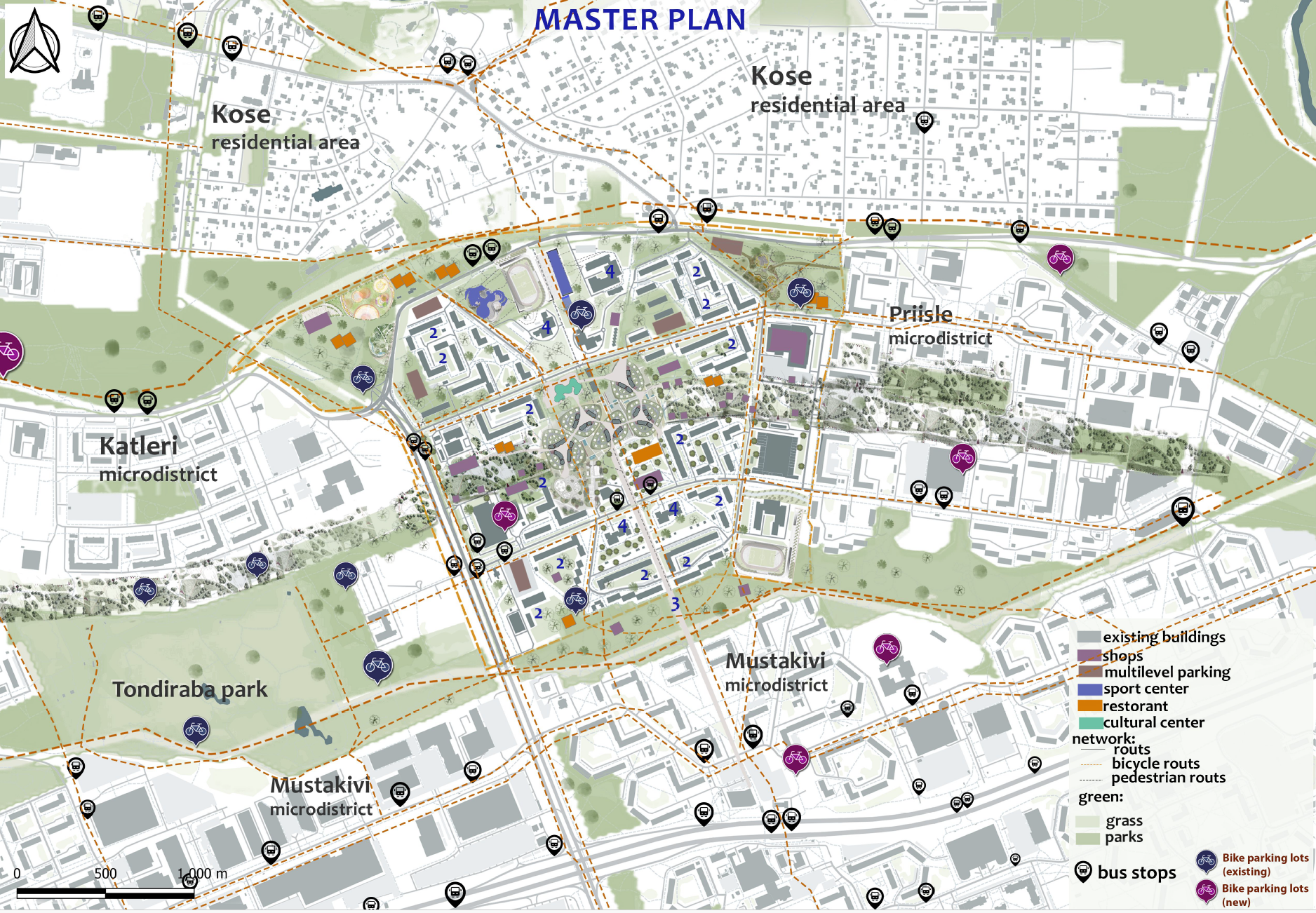
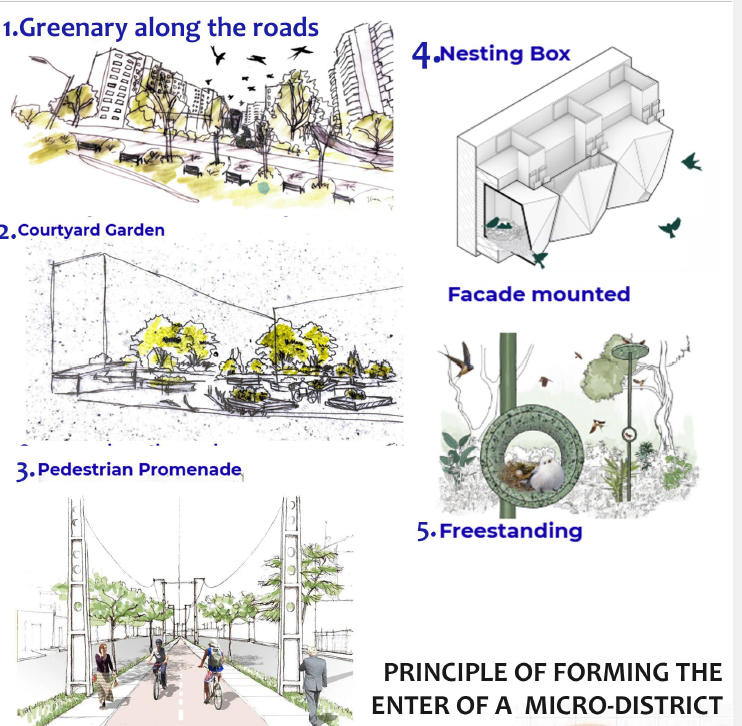
The concept proposes THE CONNECTOR as a continuous pedestrian spine that links fragmented green and recreational areas within the Kuristiku microdistrict. The strategy addresses poor pedestrian connectivity, dispersed open spaces, and microclimatic discomfort by transforming isolated parks and courtyards into a unified green ecosystem. A central alley becomes the backbone for movement, everyday recreation, and social interaction, supporting a 5-minute city model. Mixed-use ground floors, cultural pavilions, and local services activate the route, while multi-storey parking frees courtyards from cars. Landscape design and new building placement improve wind protection and comfort. Together, these interventions transform Kuristiku from a car-oriented “sleeping neighborhood” into an inclusive, walkable, and socially active district with a strong local identity.
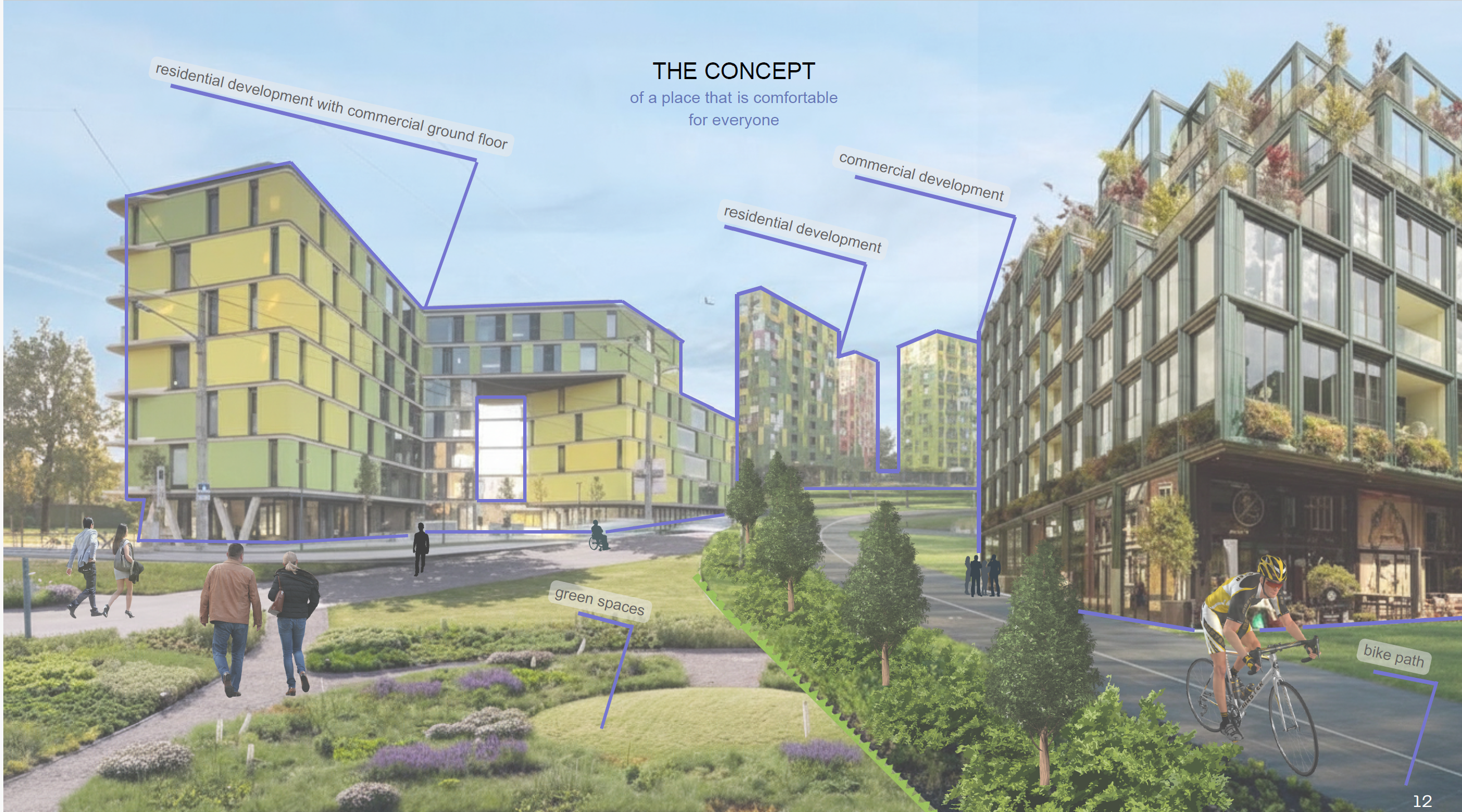
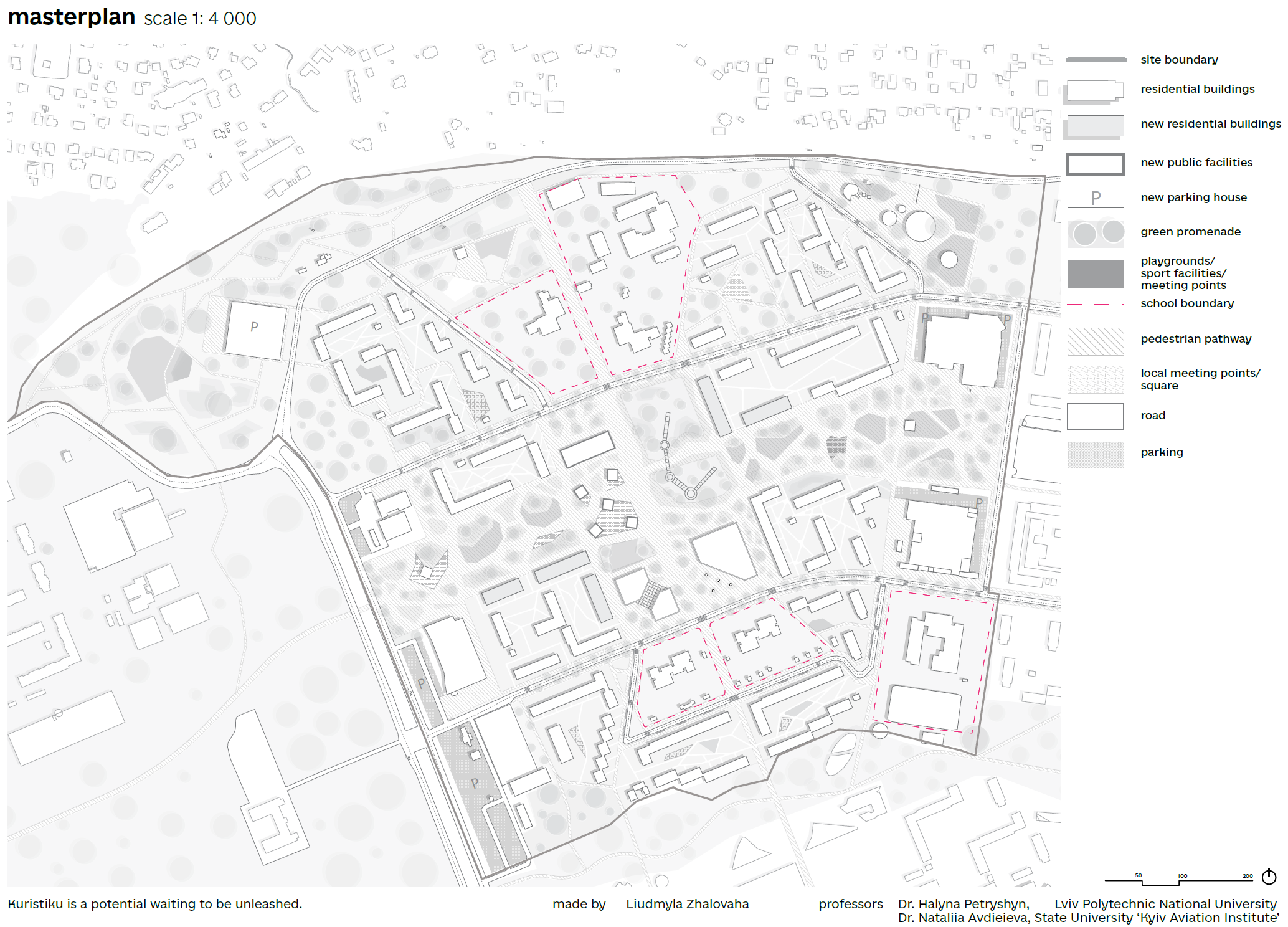
Kuristiku is a potential waiting to be unleashed
Liudmyla Zhalovaha, Lviv Polytechnic National University
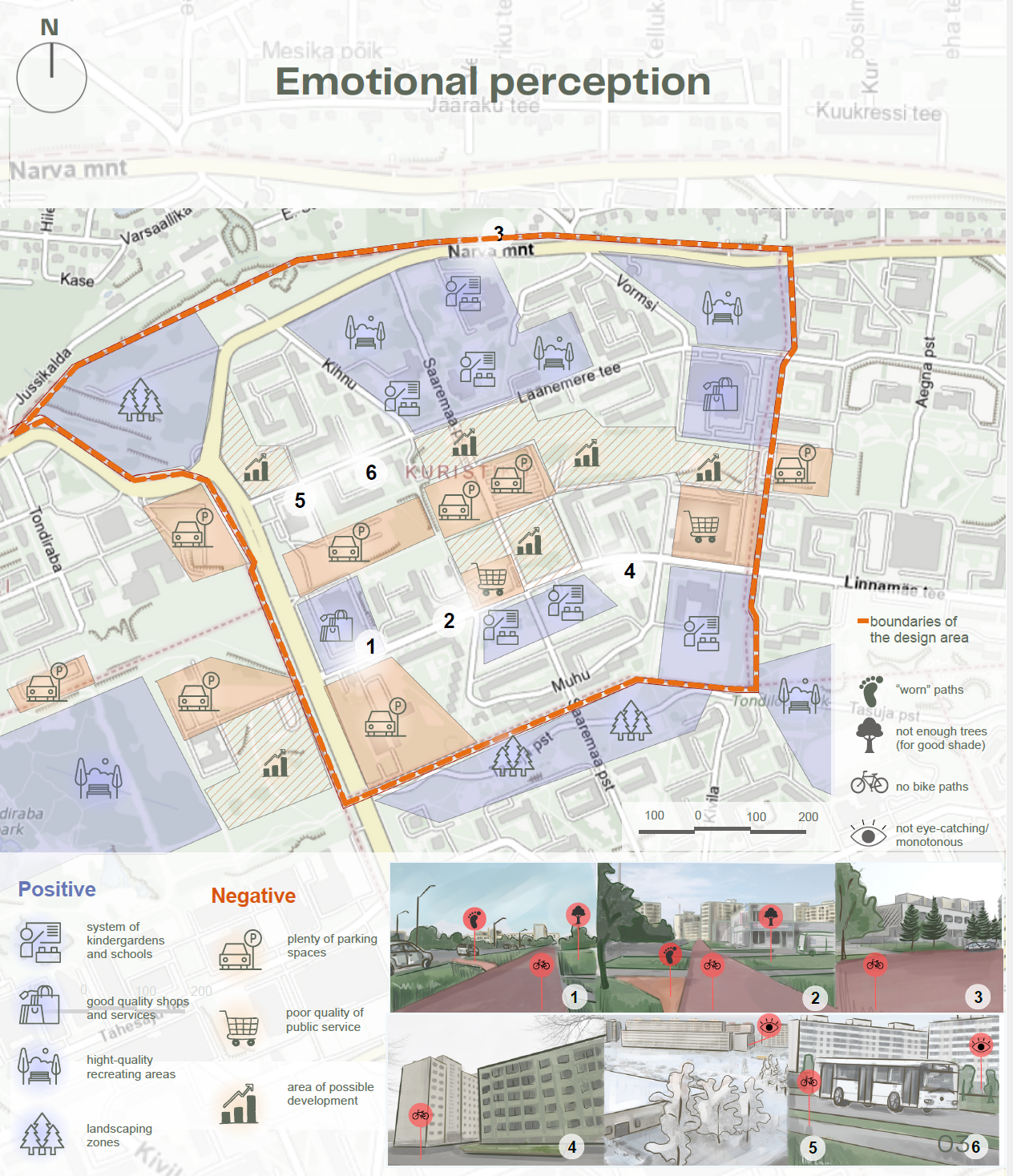
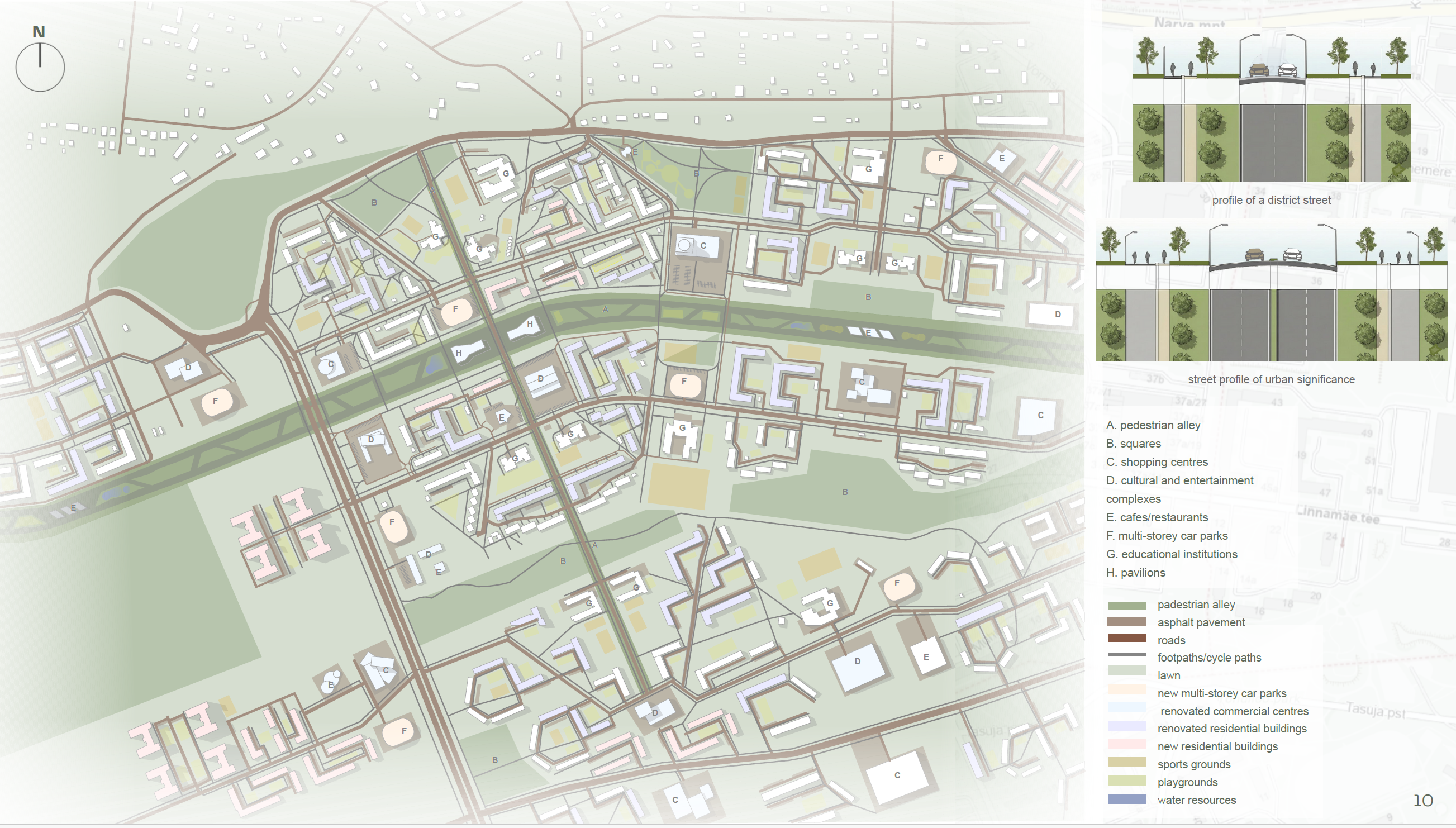
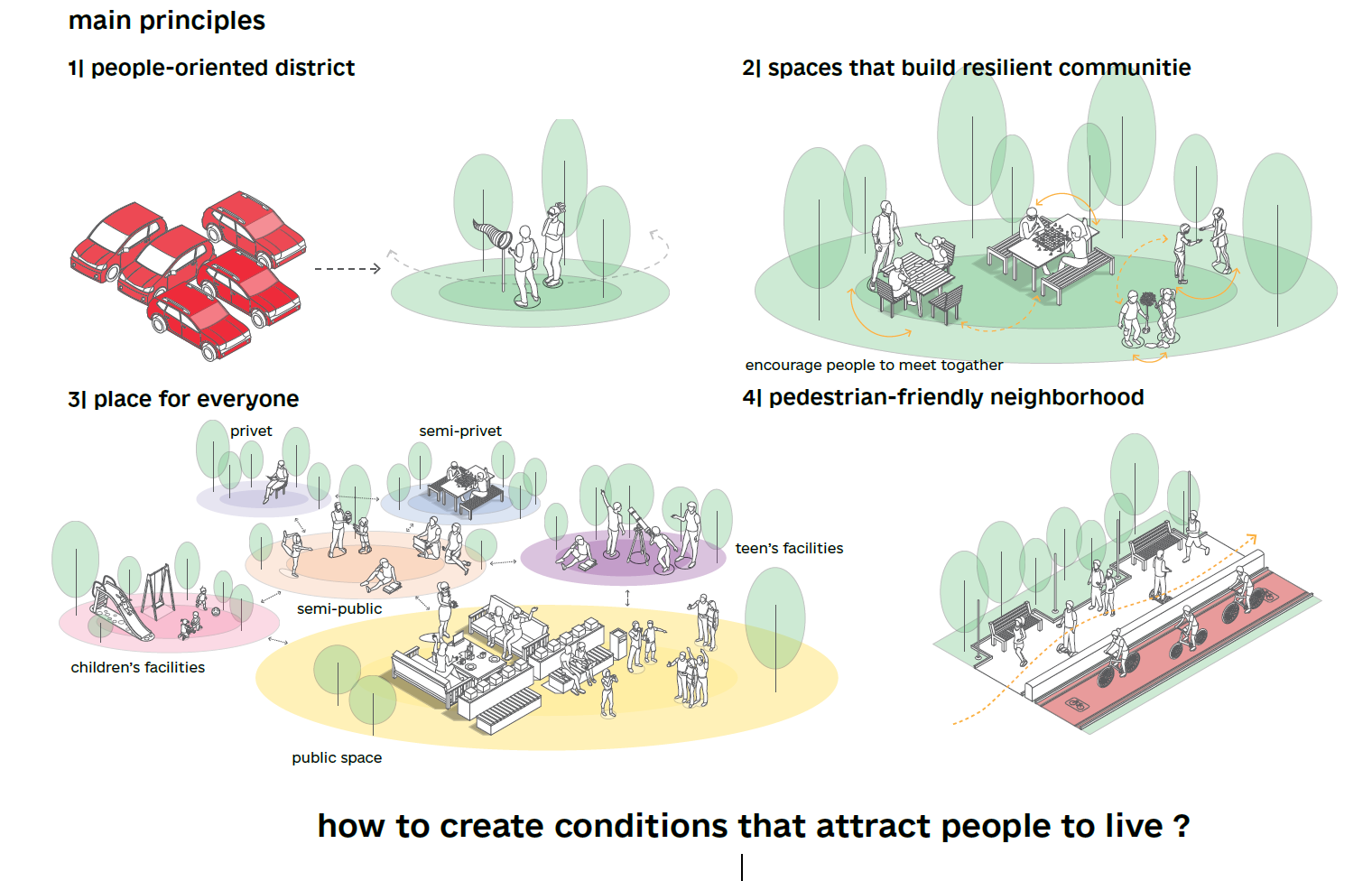
The concept proposes transforming Kuristiku into a human-centered, multifunctional neighborhood that improves quality of life while retaining its affordability. The strategy prioritizes pedestrian movement by reducing surface parking, relocating cars to the perimeter and multi-level decks, and reclaiming courtyards as communal spaces. Fragmented open areas are reorganized into a coherent public-space network that supports everyday social interaction and improves microclimatic comfort through increased greenery and wind protection. Community life is strengthened through activated ground floors, improved lighting, and the introduction of cultural, recreational, and commercial functions along a central promenade. Together, these interventions create a safe, inclusive, and lively district that supports local identity and serves as a contemporary model for post-Soviet neighborhood renewal in Tallinn.

Updated Center
Liliana Mishchenko, Kirillo Voroshilov, O.M. Beketov National University of Urban Economy in Kharkiv
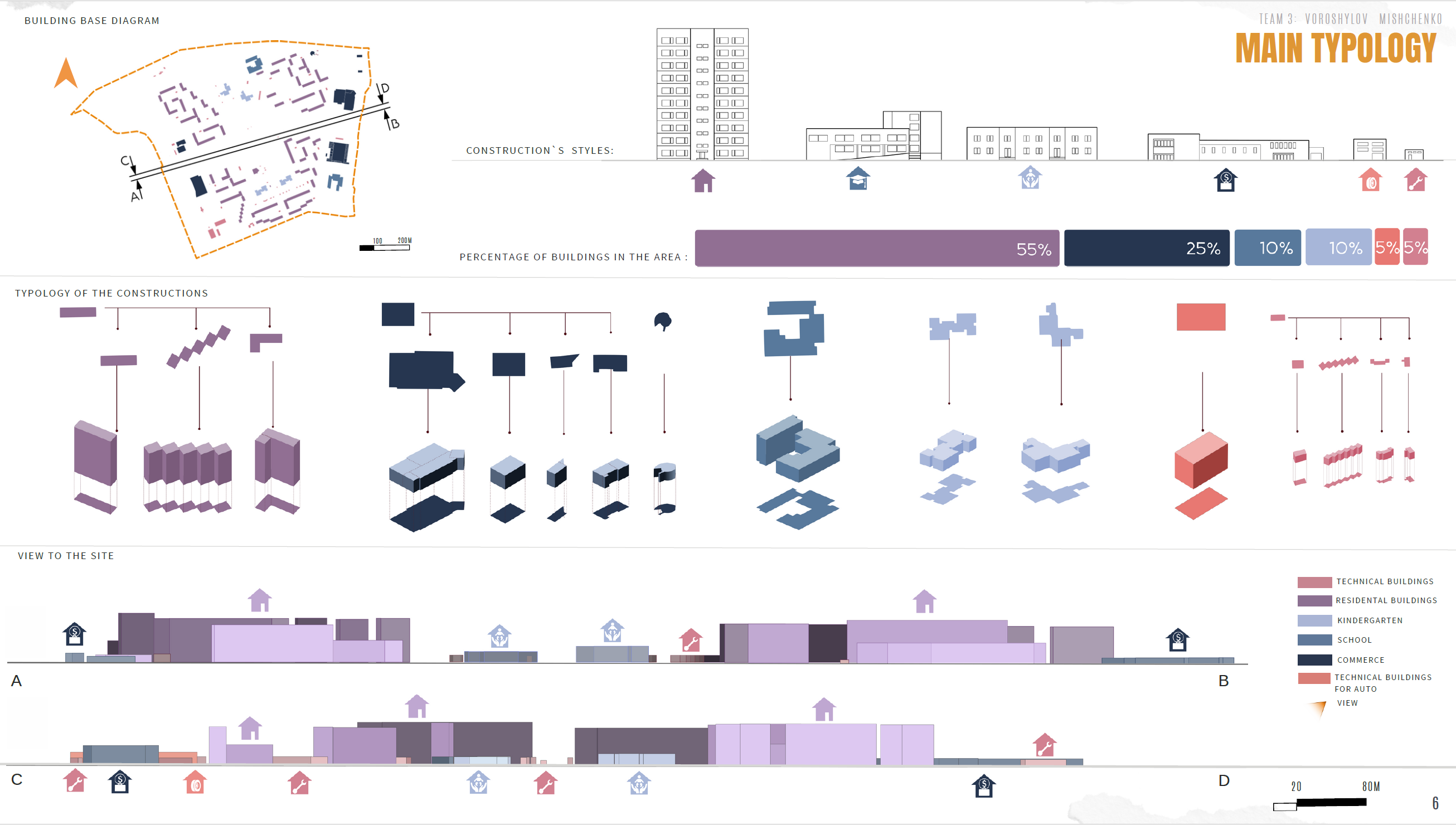
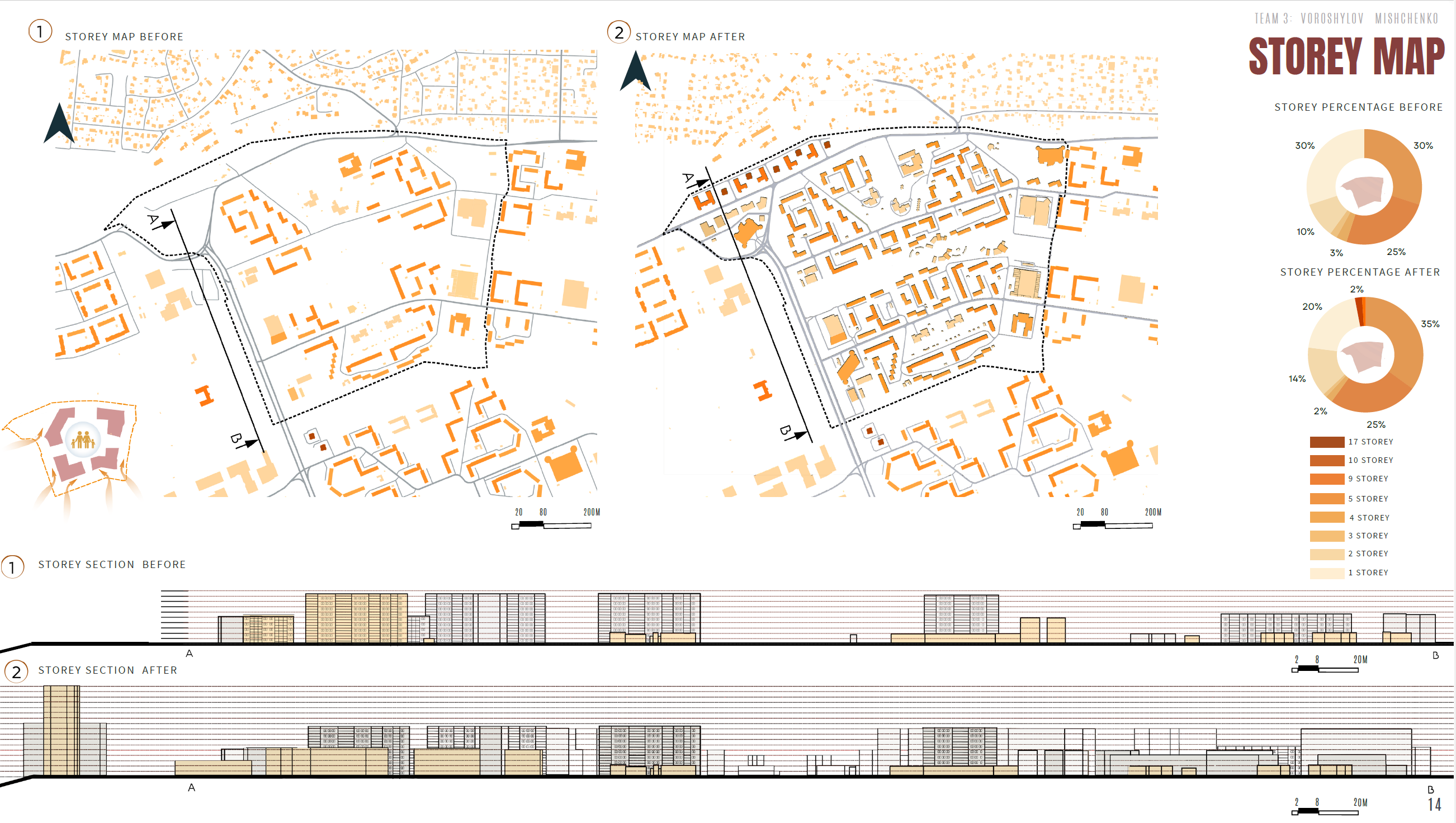
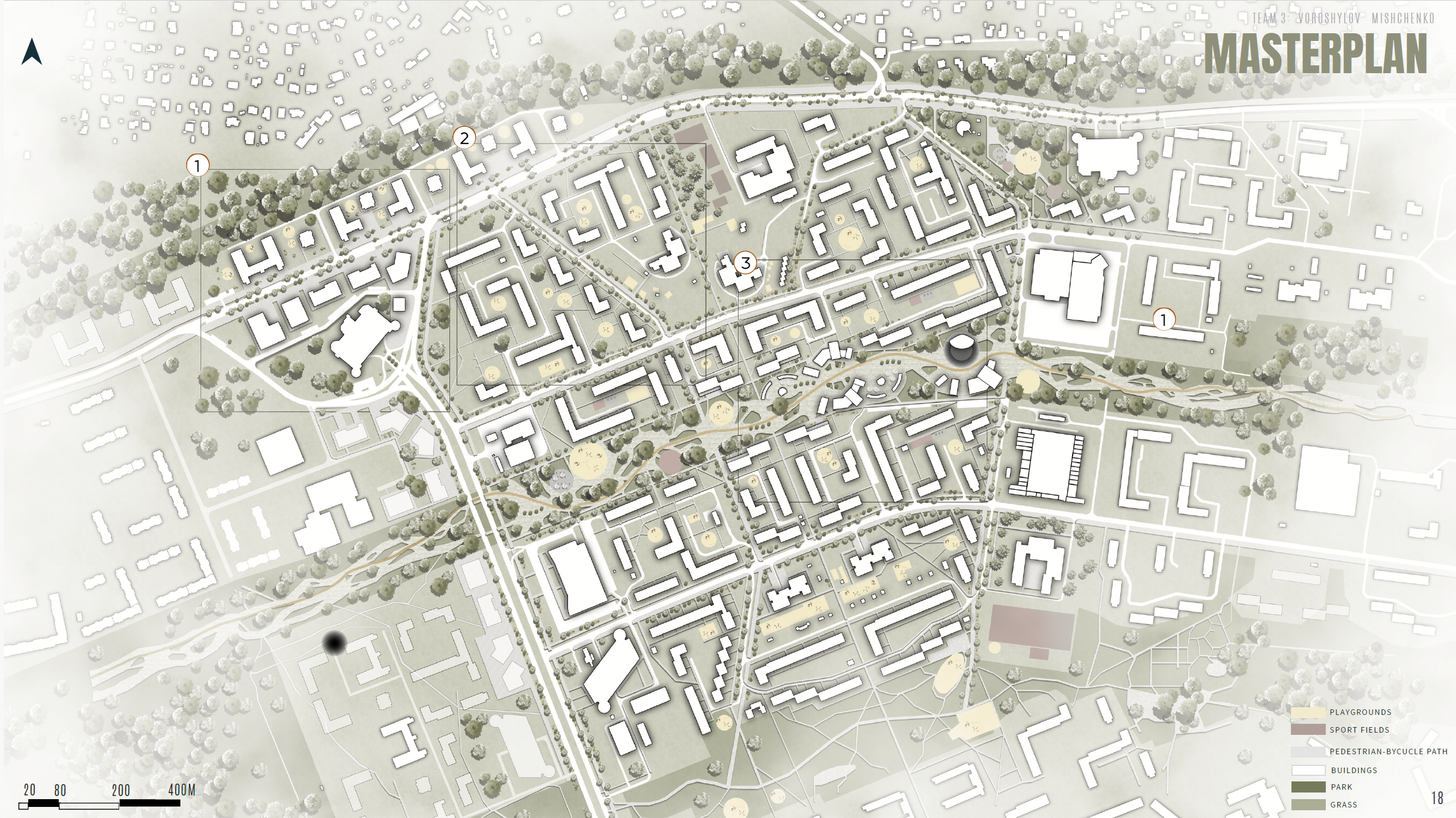
The concept restructures the Kuristiku microdistrict by transforming its car-dominated center into a vibrant cultural and public hub. Originally designed as a residential Soviet-era neighborhood with educational infrastructure and green spaces, Kuristiku’s central areas are now dominated by surface parking, fragmenting the district and limiting social interaction. The strategy relocates parking and technical functions to the periphery and introduces a central green corridor enriched with cultural, commercial, and public spaces. This corridor connects residential clusters, schools, and nearby parks via pedestrian and bicycle networks, supporting the 15-minute city principle. New development respects the existing five-to-nine-story building heights, while low-rise cultural facilities activate the center. By integrating green corridors, public spaces, and improved mobility, the concept strengthens neighborhood identity, encourages social interaction, and reconnects Kuristiku with surrounding microdistricts, creating a family-friendly, pedestrian-oriented, and socially cohesive urban environment.

Valguse Jäljed / Traces of Light
Ochinska, Samina, Sukhomlinova, Odesa State Academy of Construction and Architecture
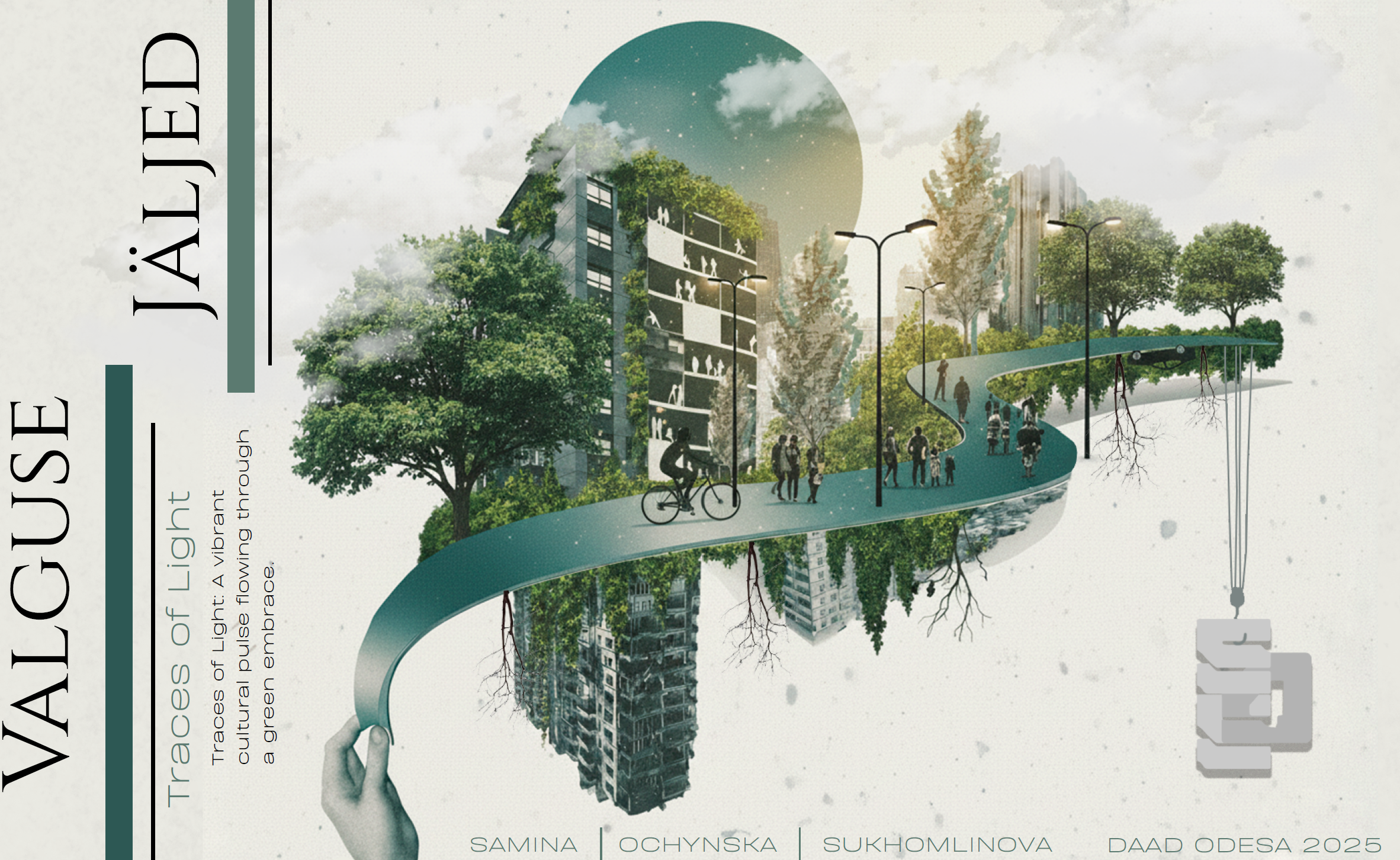
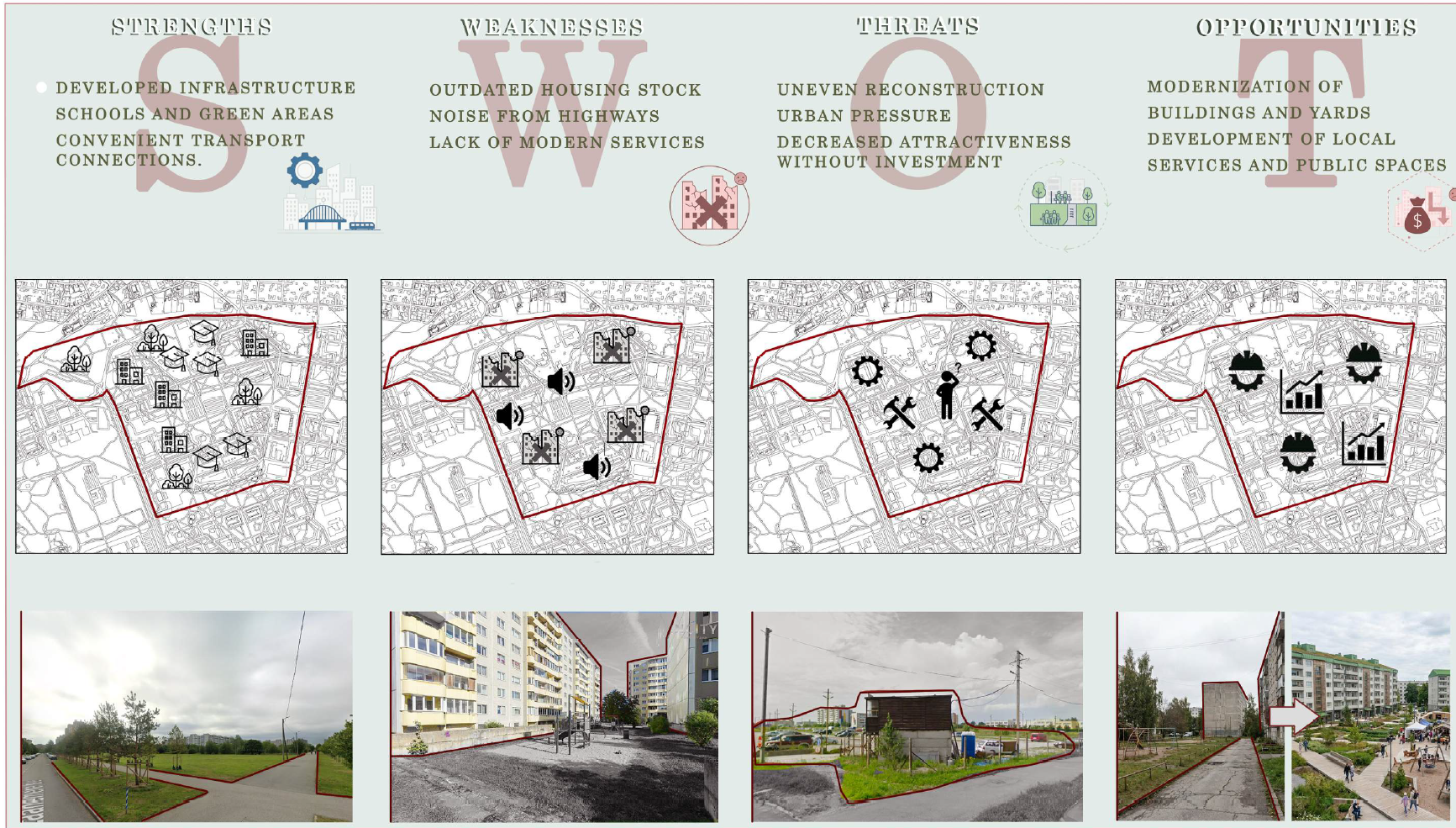
The concept addresses the fragmentation of the Kuristik subdistrict by transforming a car-oriented Soviet-era residential area into a connected, human-scaled urban system. Although the district benefits from generous green courtyards and basic infrastructure, poor internal connectivity, monotonous building morphology, and dominant parking areas limit social interaction and spatial quality. The strategy focuses on creating a continuous Green Corridor supported by a central blue infrastructure element — an artificial river system with dry fountains — linking residential clusters, cultural and educational hubs, and recreational spaces. This corridor becomes the main pedestrian and bicycle backbone, enabling true 15-minute accessibility and reducing car dependency. Selective demolition and low-rise infill development strengthen spatial structure, improve sunlight, and activate public spaces, while landscaped parks, recreational areas, and integrated lighting foster community life and transform Kuristik into a vibrant, legible, socially active urban environment.


CloseCity: Closer Life - Closer Future
Kristina Shcherbakova, Liliia Bondarenko, Olha Kokynda, State University Kyiv Aviation Institute
The project transforms Kuristiku into a multifunctional, pedestrian-friendly district that integrates residential, cultural, recreational, and green spaces. Green corridors and bike/pedestrian paths connect housing clusters, the central hub, and parks. A revitalized central area provides spaces for social interaction, leisure, culture, and small-scale commerce. Soviet-era buildings are renovated for comfort and energy efficiency. Recreational facilities, including sports areas, a dinopark, and observation points, cater to all ages. Parking is moved to the periphery, activating courtyards and open spaces. The concept creates a safe, vibrant, and inclusive environment that enhances community life and everyday living.
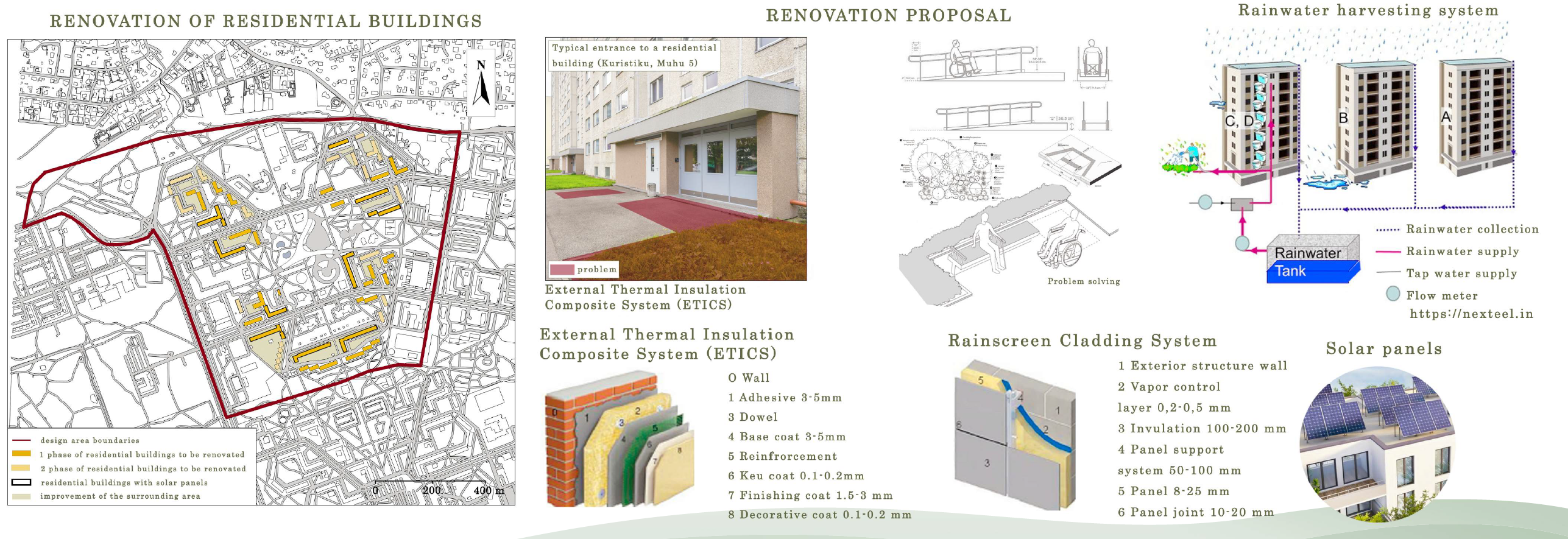
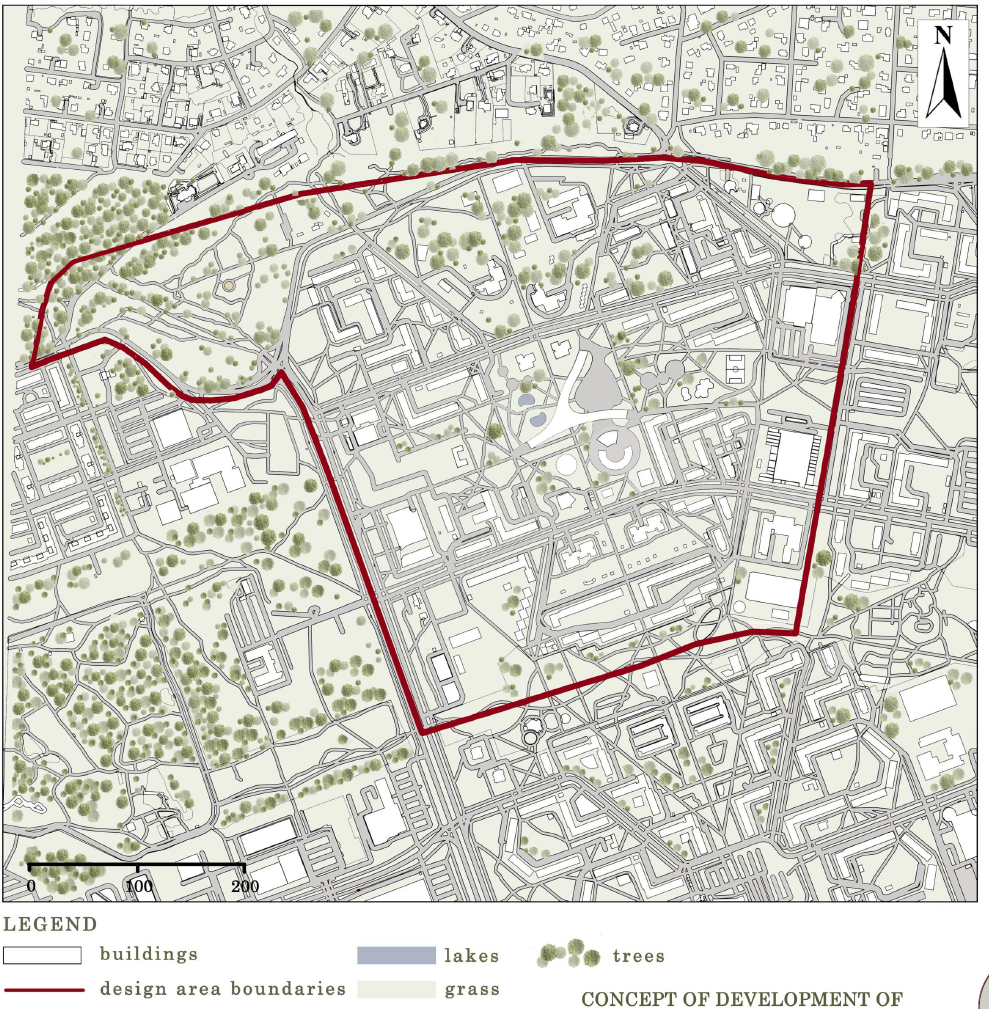
The “CROSSPOINT: Time, Space, People”
Yurchuk Dominika, State University Kyiv Aviation Institute
The “CROSSPOINT: Time, Space, People” concept transforms the Kuristiku microdistrict by turning fragmented, car-dominated areas into a vibrant, multifunctional urban core. While the district retains Soviet-era panel housing, green courtyards, and basic infrastructure, inner-block parking, monotone facades, and disconnected spaces limit social interaction and spatial quality. The strategy relocates parking underground, freeing courtyards for pedestrian use, and introduces a green framework connecting residential clusters, public squares, and recreational facilities. Vacant lots are repurposed into active social spaces with sports clusters, playgrounds, and multifunctional public zones. Terraced housing ensures sunlight and private outdoor spaces, while a lowered central square creates an amphitheater-like hub for events. Pedestrian alleys and footbridges connect different elevations, fostering accessibility and new viewpoints. CROSSPOINT redefines Kuristiku as a human-scaled, socially active, and ecologically balanced neighborhood, enhancing quality of life for all residents.
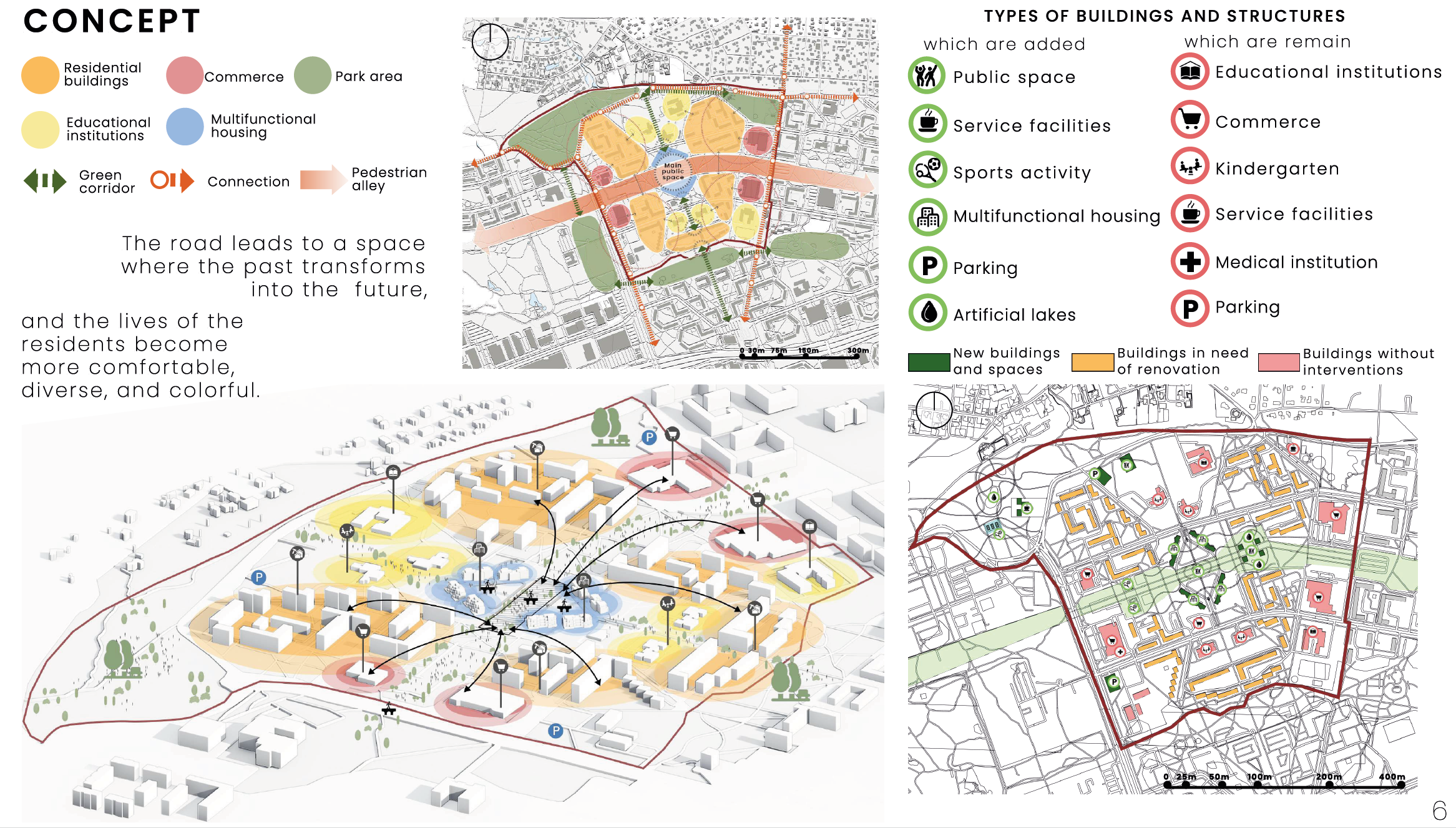


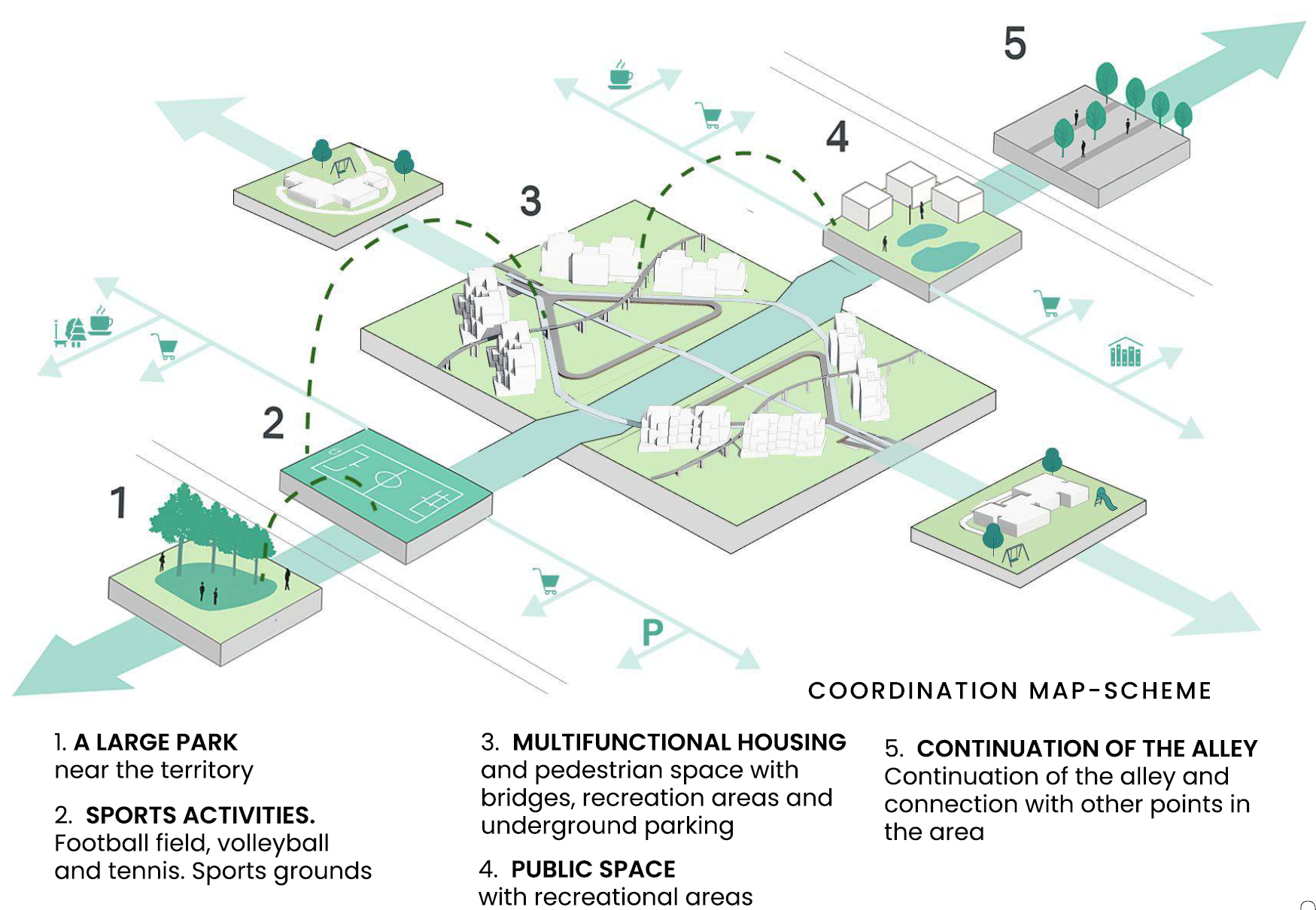
The “Fusion City”
Alina Bondar, Olexandra Sikora, Anhelina Chornenka, State University Kyiv Aviation Institute
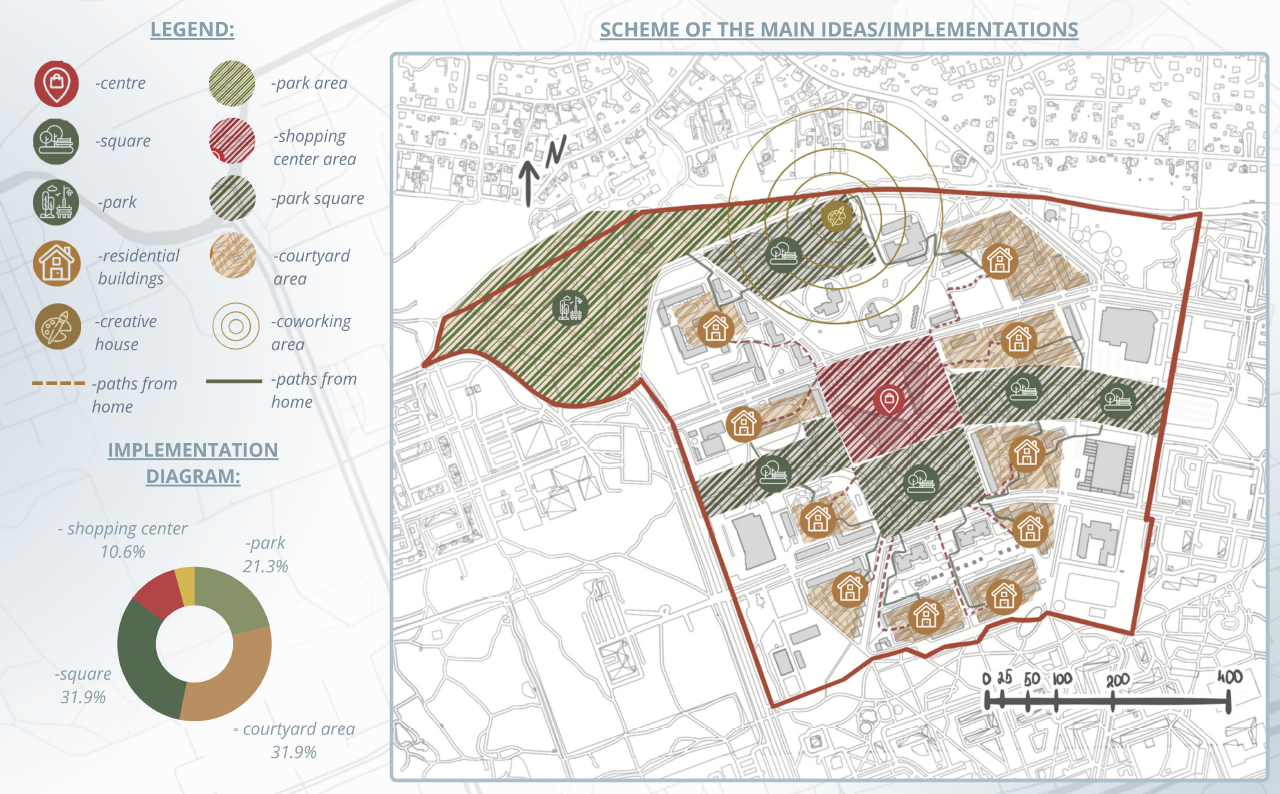
The “Fusion City” concept revitalizes the Kurystiku district by blending its historical identity with modern urban functions to create a comfortable, socially active neighborhood. While the area retains Soviet-era residential buildings and green courtyards, fragmented open spaces, car-dominated areas, and underused public zones limit interaction and livability. The strategy reorganizes functional zoning, concentrating residential, commercial, cultural, and recreational areas around a strengthened green framework. Pedestrian and bicycle networks are prioritized, parking is relocated, and new transport solutions improve connectivity. Renovated facades, modernized entrances, and thoughtfully designed courtyards activate the public realm, while key nodes such as a shopping center become multifunctional hubs. By integrating greenery, mobility, and mixed-use spaces, Fusion City reconnects the district, fosters community interaction, and creates a human-centered urban environment that honors its past while offering a vibrant, sustainable future.