KURISTISCALE - Putting into proportion
Ines Johanna Grimm, Fiona Köhler
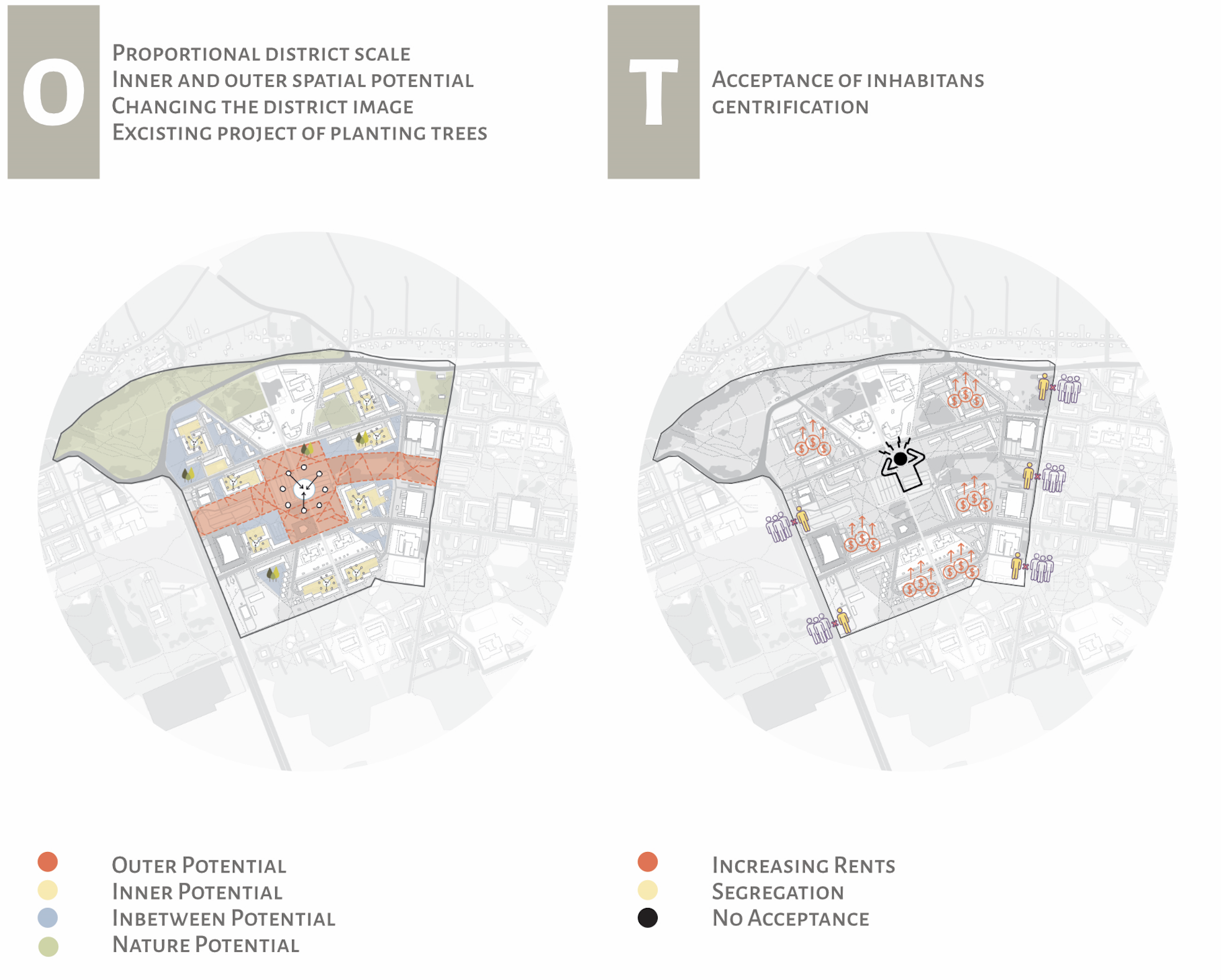
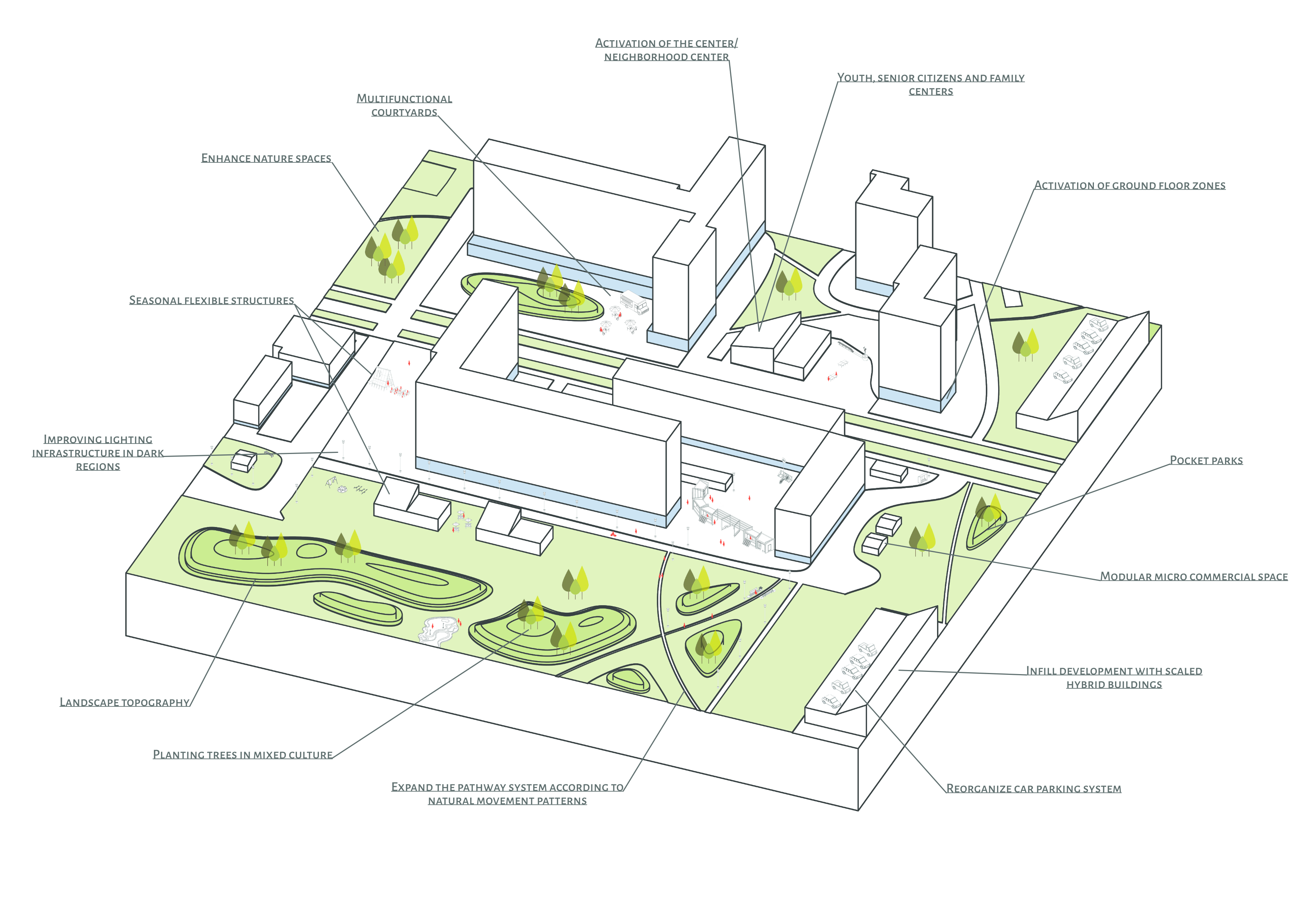
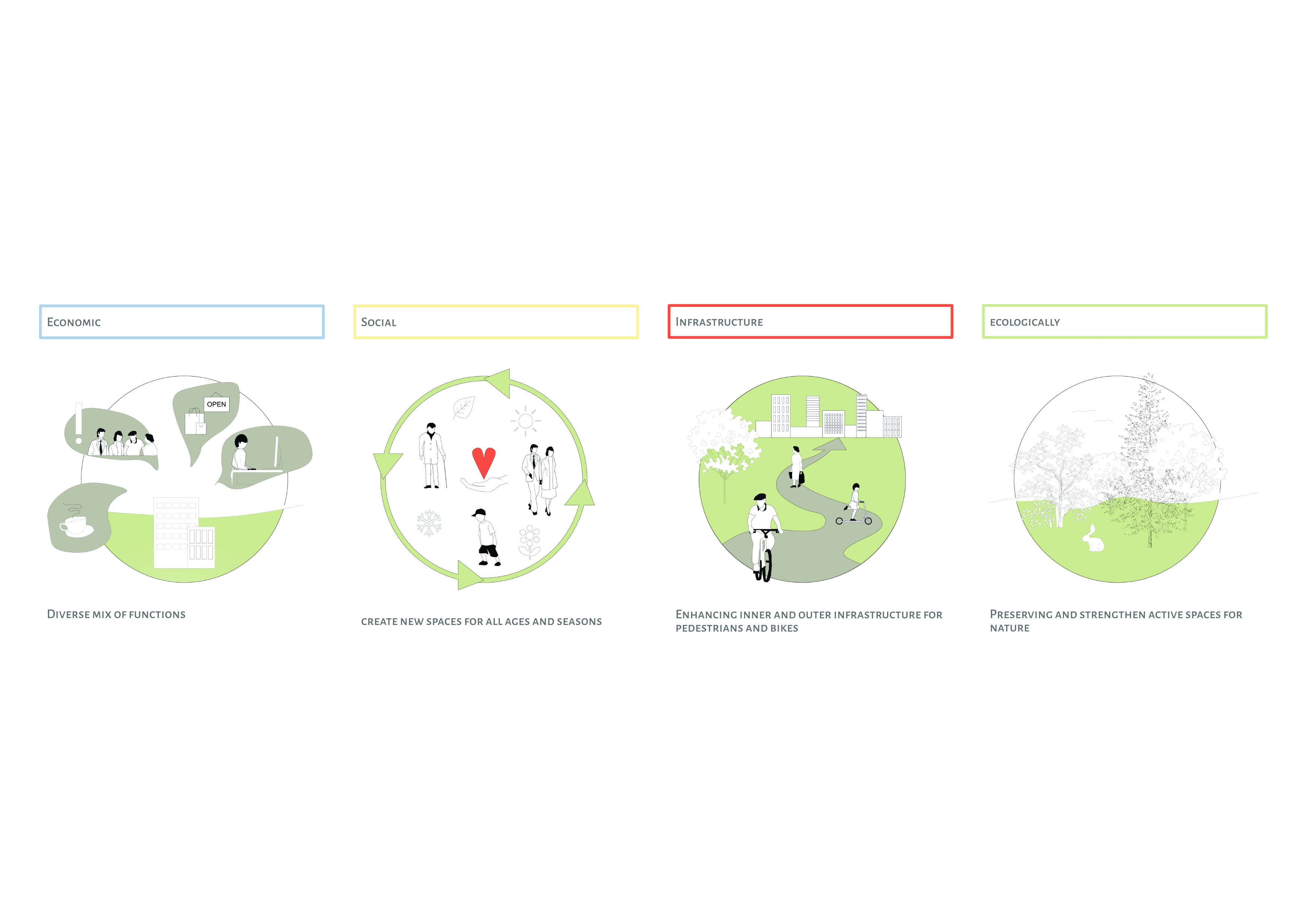
The concept focuses on the re-scaling of Kuristiku as a strategy to enhance urban resilience. By introducing scale transitions from the district level to the neighborhood level and down to the human scale, we aim to create environments that are more legible, flexible, and adaptable over time. Breaking up monolithic land-use patterns and introducing mixed-use functions increase programmatic diversity and economic robustness, while age-inclusive and year-round public spaces strengthen social resilience. In addition, the project emphasizes the activation of ground floors, improved pedestrian and cycling networks, and the clear definition and programming of open spaces. Strengthening existing green structures and integrating ecological functions support environmental resilience and improve microclimatic conditions. Together, these spatial strategies form a coherent framework for transforming Kuristiku into a more human-centered, socially diverse, and resilient urban district.
Unfolding the Microrayon Vision
Marco Tarrio Torres, Sven Spallek
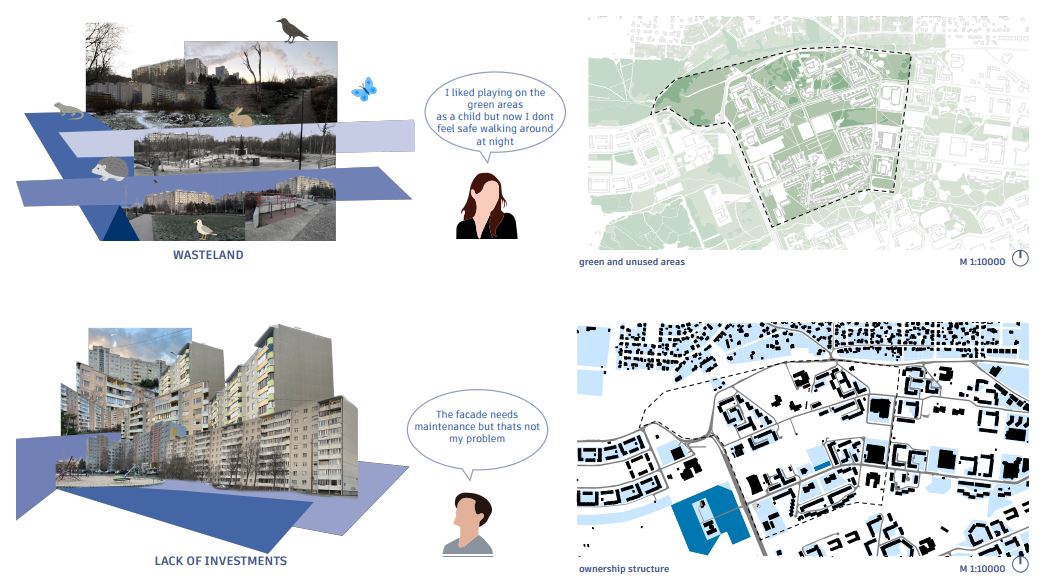
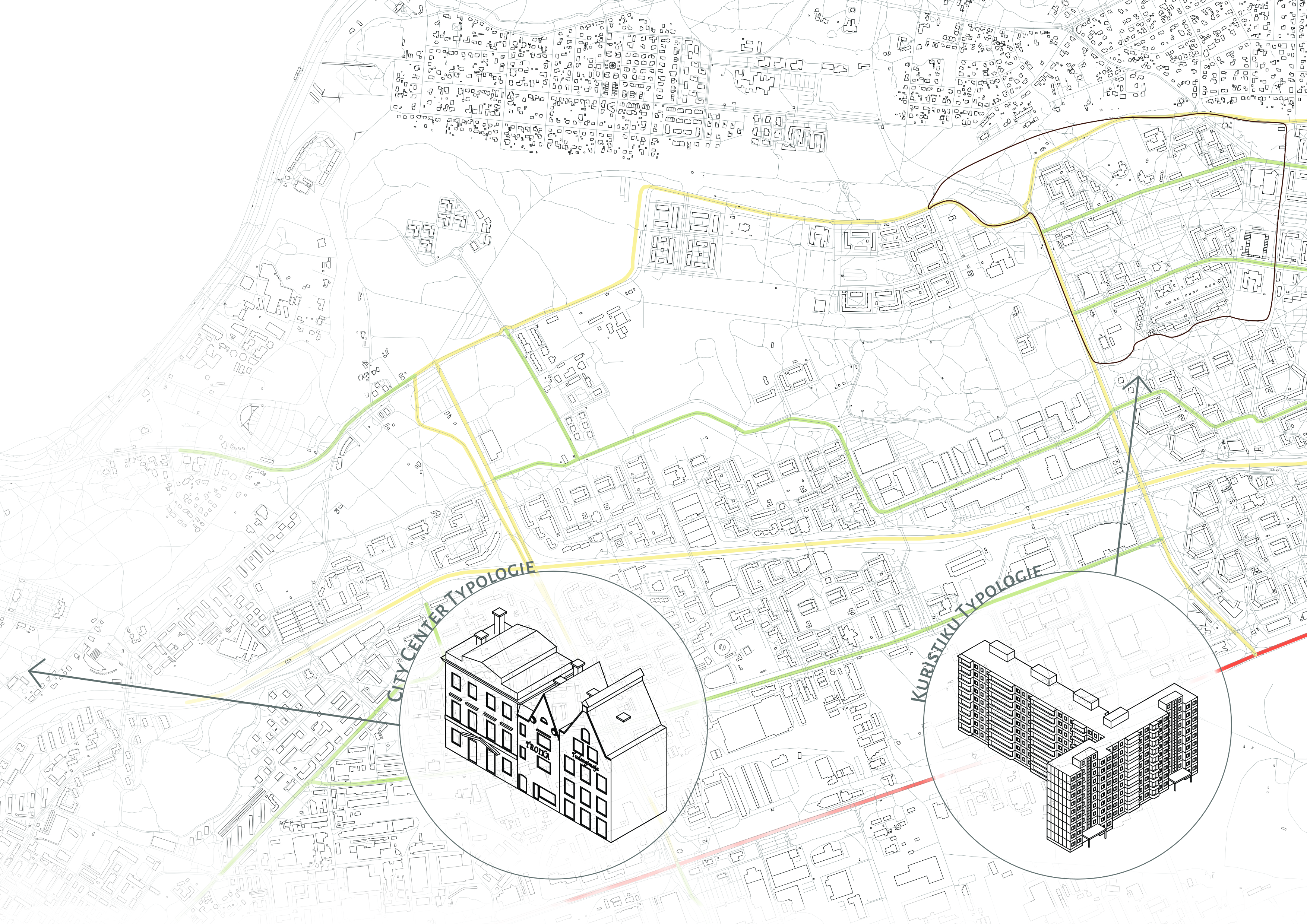
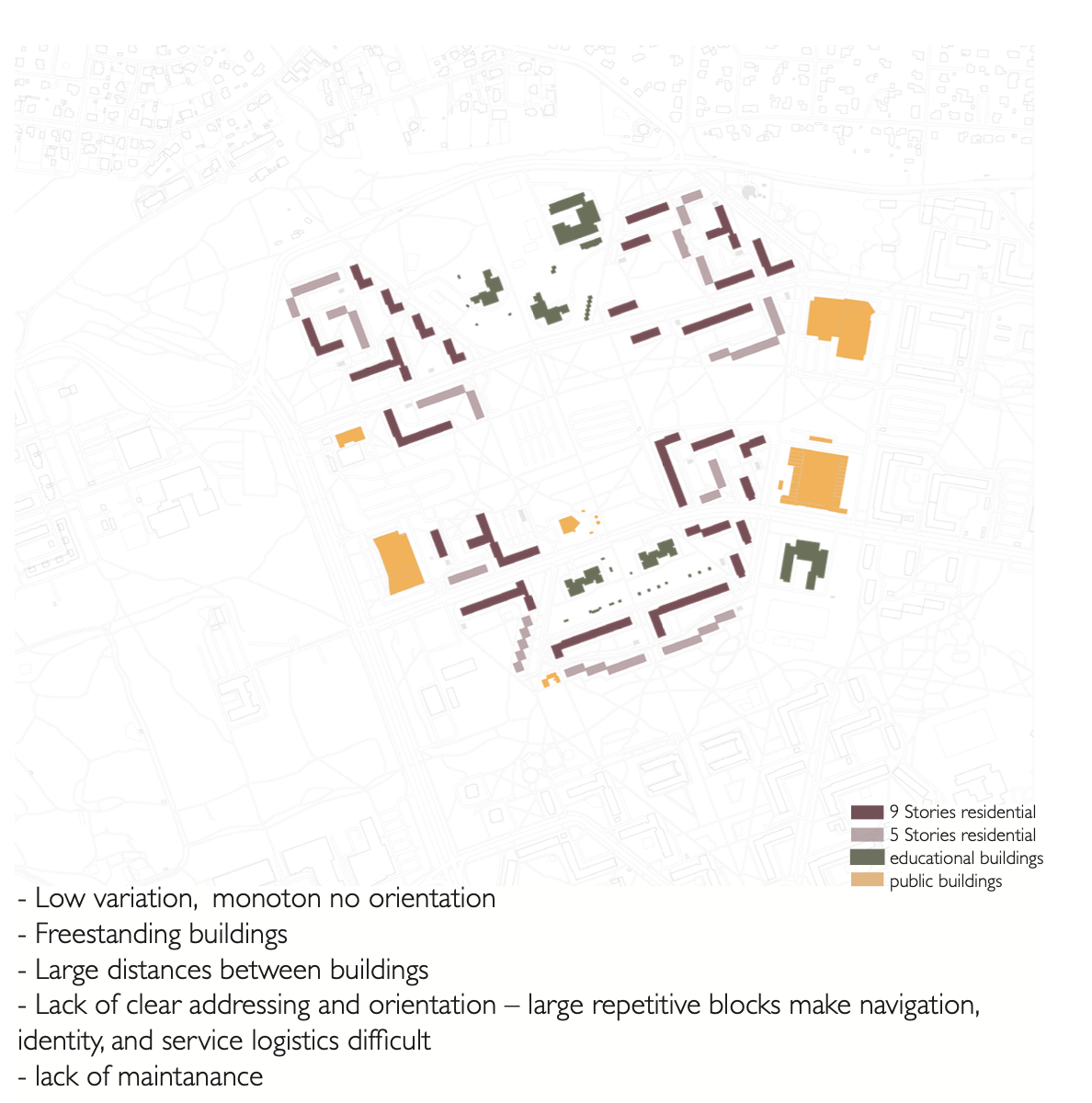
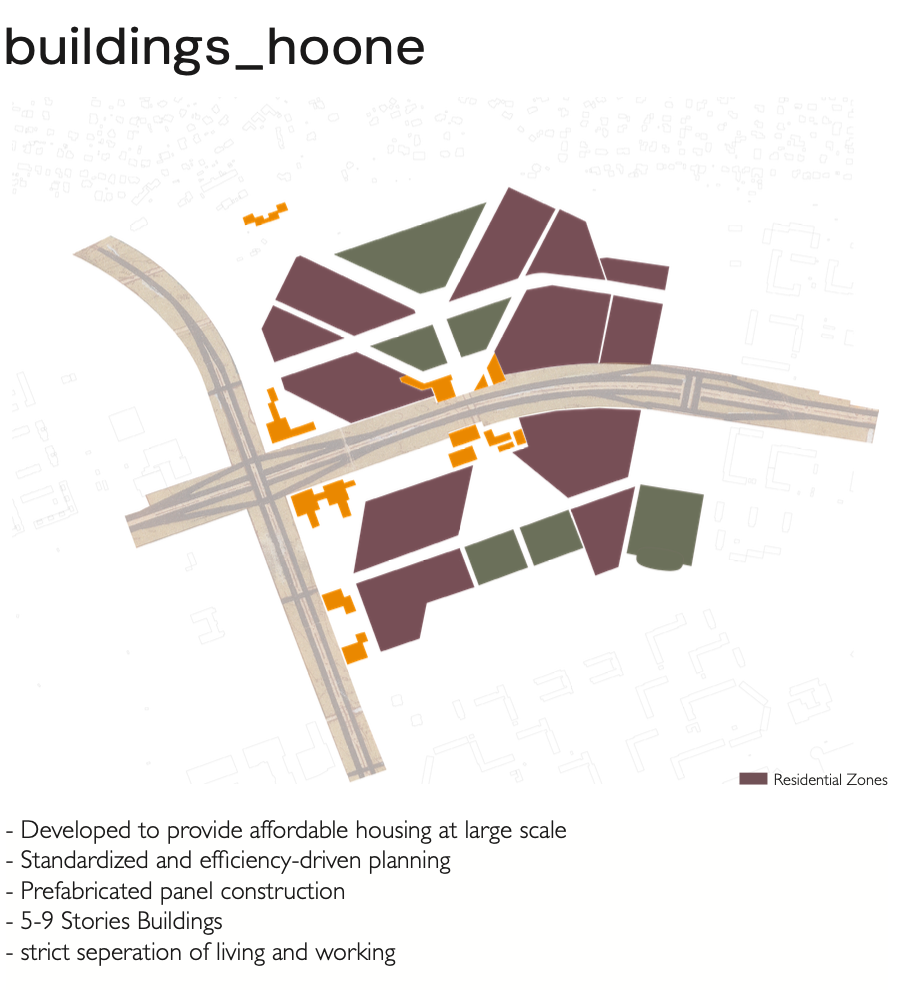
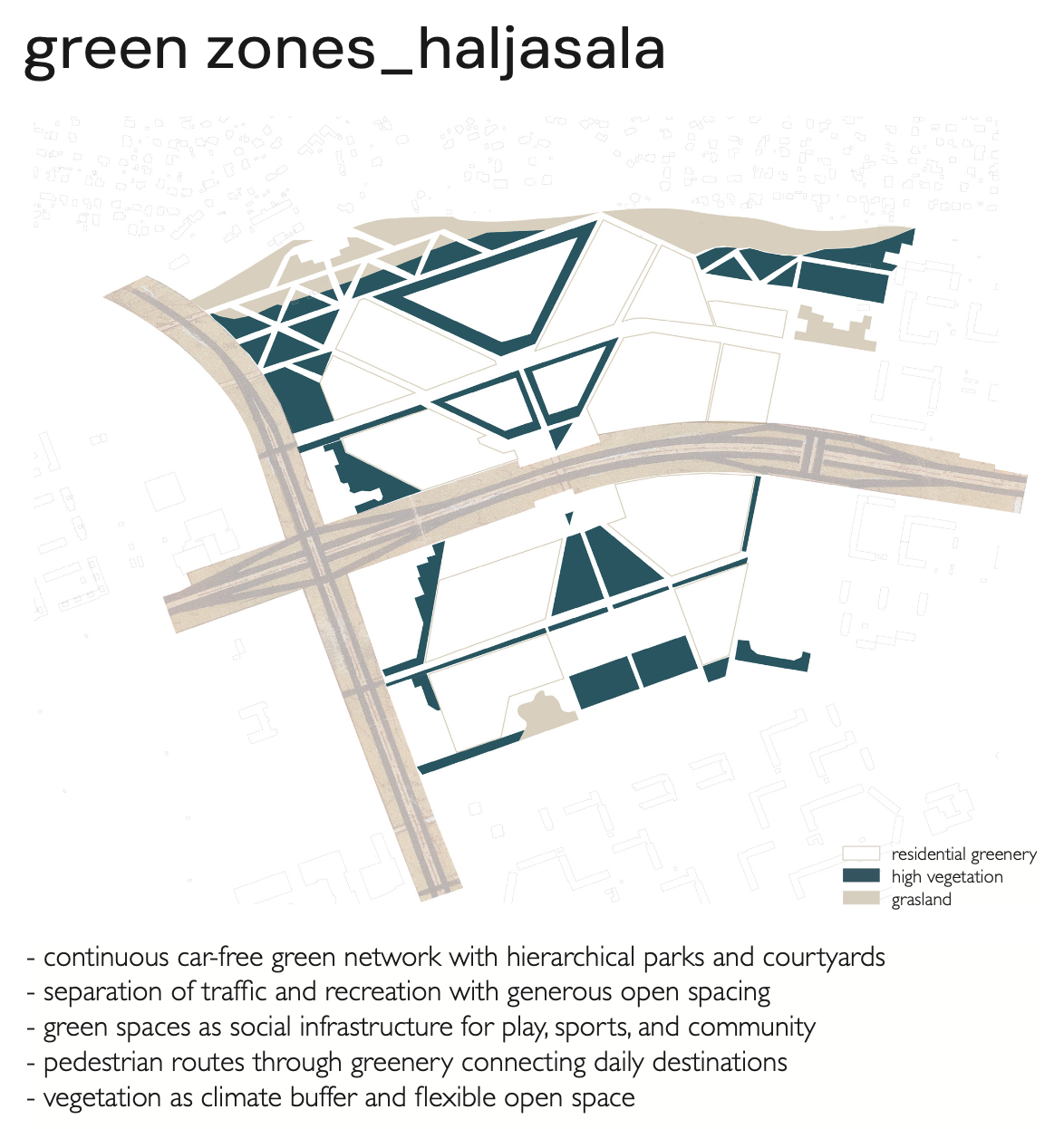
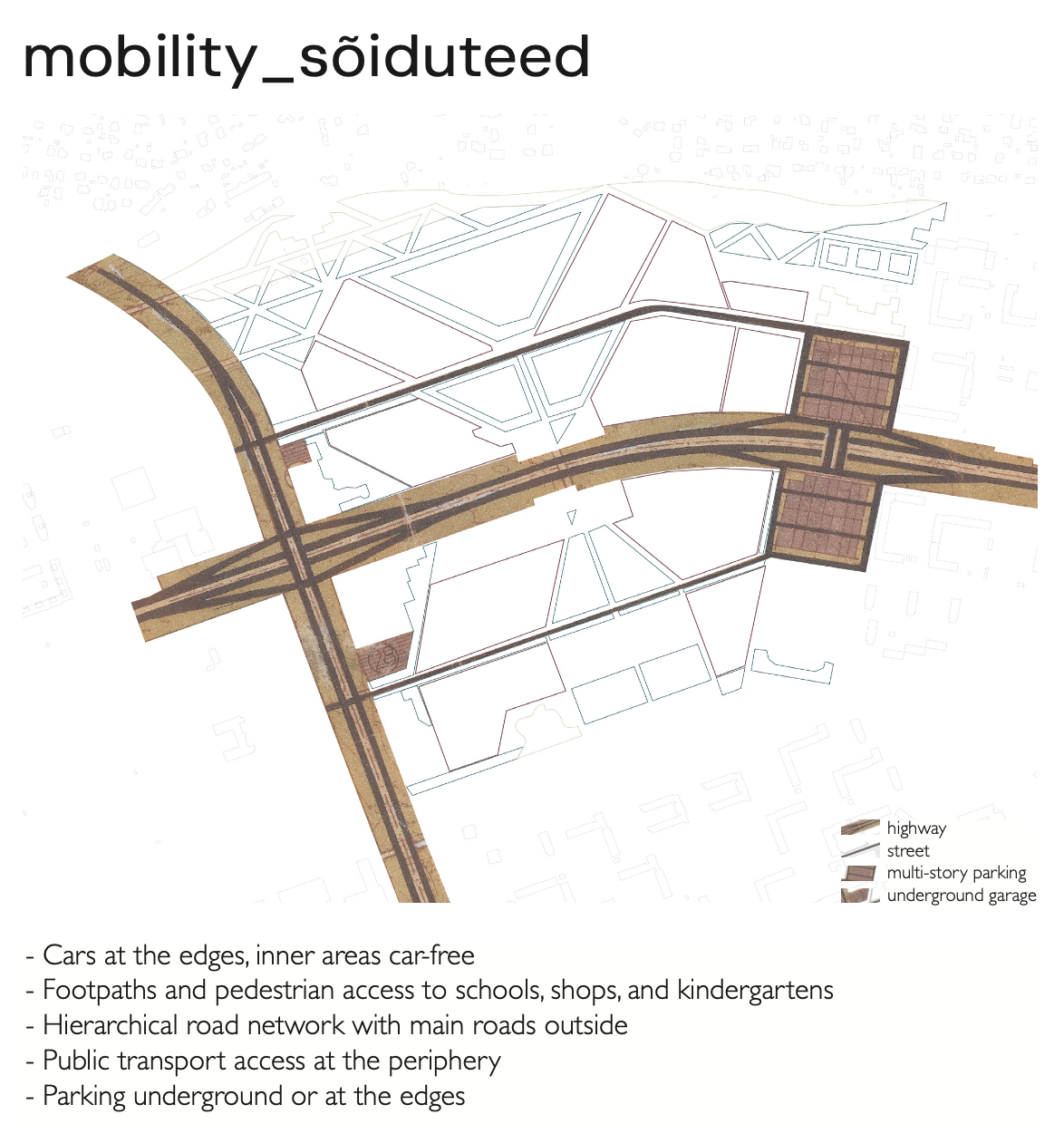
“Unfolding the Microrayon Vision” critically revisits the Soviet microrayon concept and master plan as applied to Lasnamäe in Tallinn, Estonia. Our analysis is structured around the original Soviet vision, the current condition, and the resulting goals and initial design concepts. Central to the investigation are the anonymity of the housing blocks and the lack of orientation caused by a mono-functional planning logic, which have led to a lack of addressability and identity. Our aim is to transform anonymous blocks into recognizable neighborhoods. Additionally, the original car-free interior concept has been undermined over time, as vehicles have occupied open spaces in the absence of a clear parking strategy. Our concept proposes assigning distinct identities to individual blocks through varied programs, densities, and spatial qualities.


From Age Structure to Everyday Resilience: An Age-Inclusive Framework for Kuristiku
Ziwen Yao, Grâce-Raphaëlle Lallier, Polina Chernenko
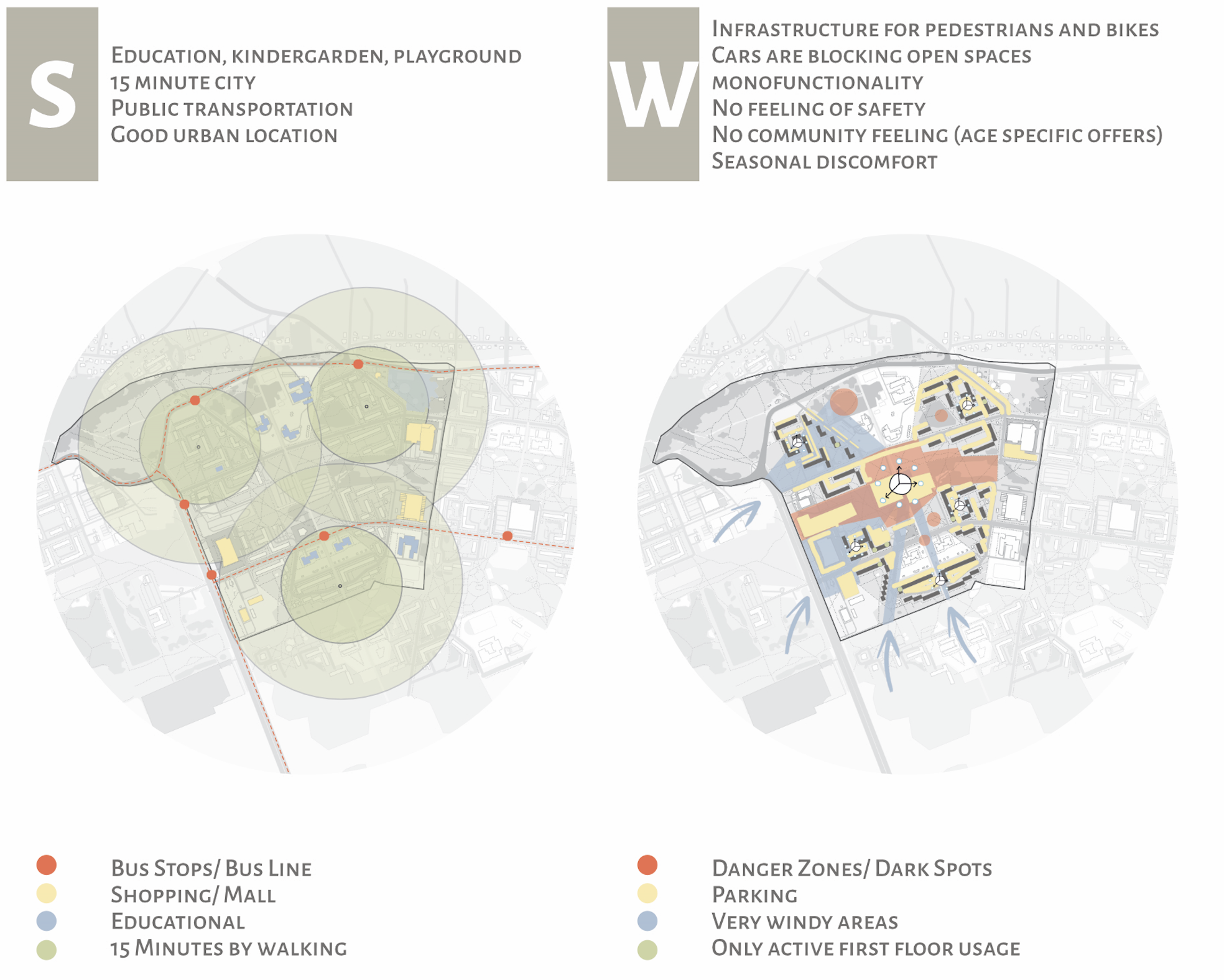
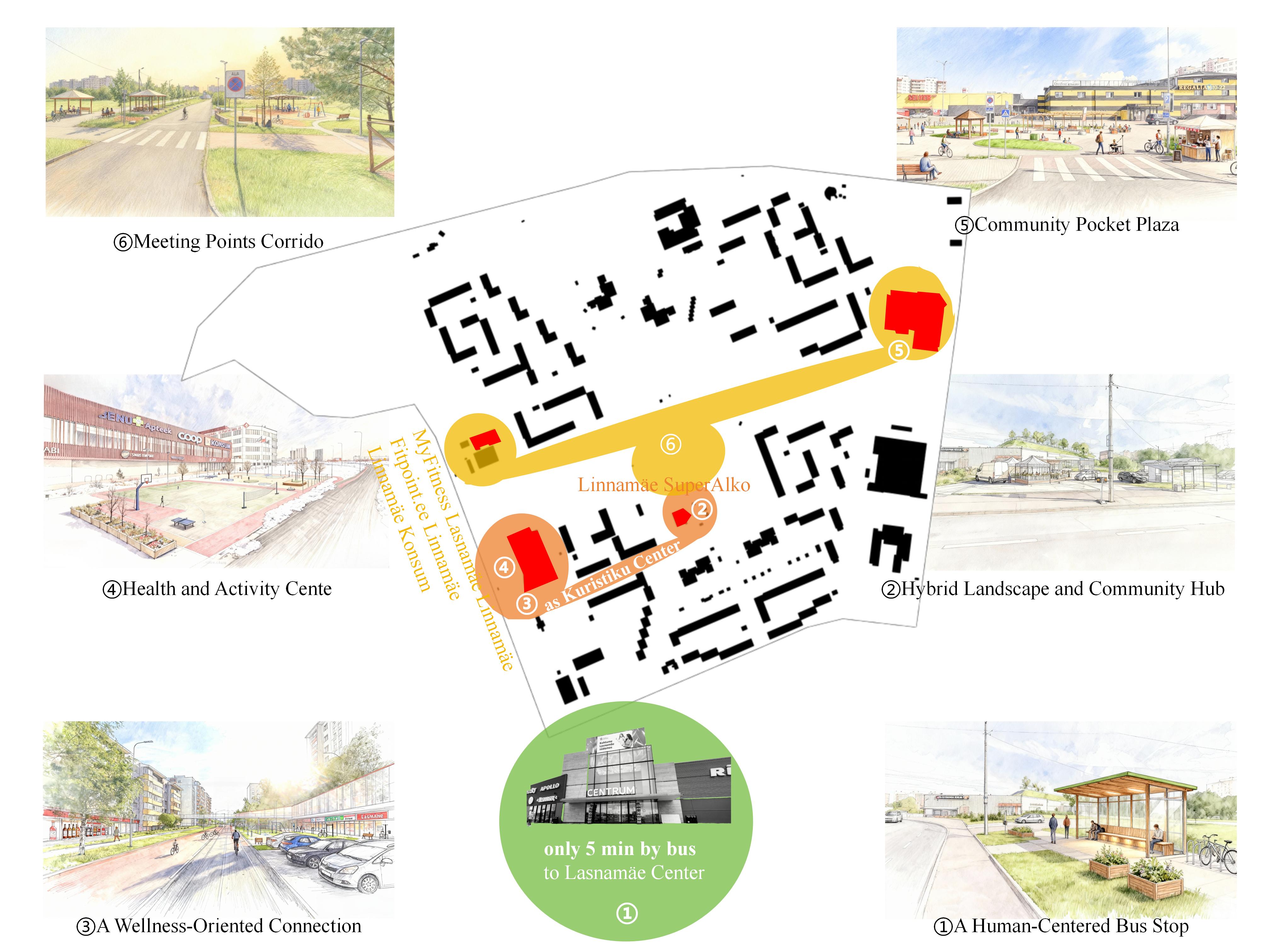
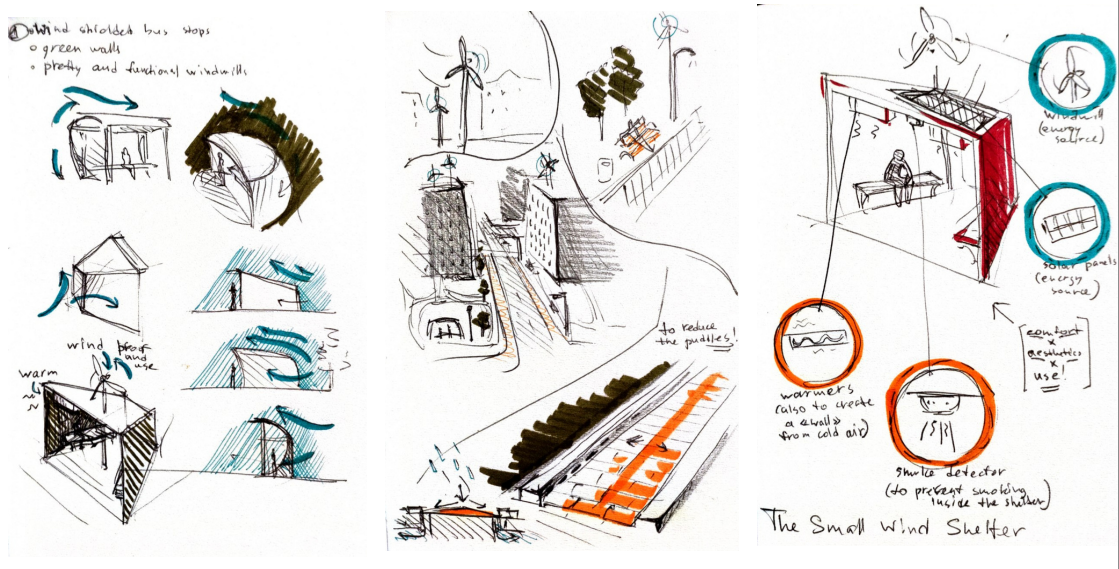
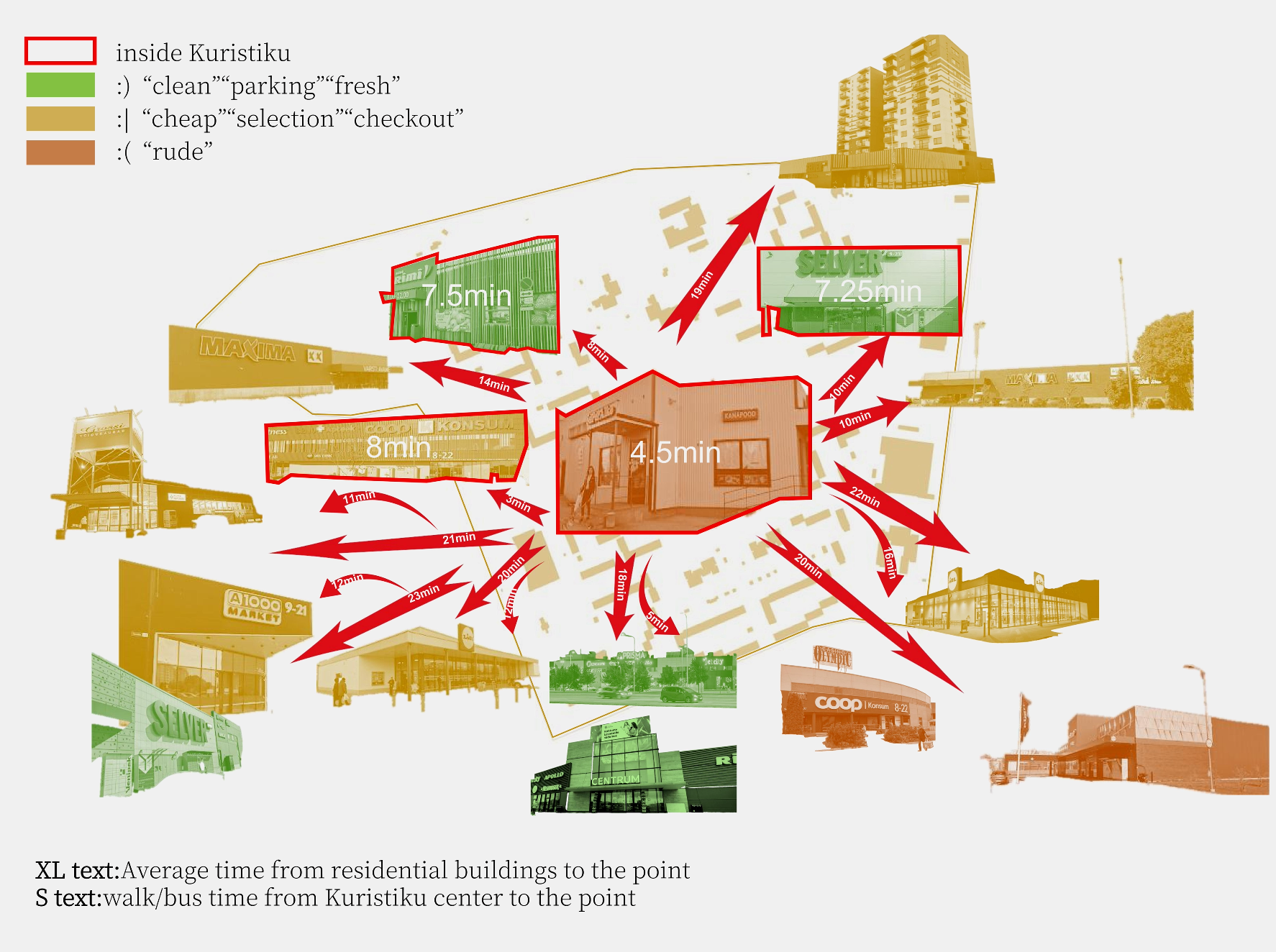
How can resilience be understood not as a response to extreme events, but as the ability of a neighborhood to support everyday life across generations? The concept proposes a strategic redefinition of the Kuristiku central node as a transportation and everyday-life hub. Rather than duplicating nearby large commercial centers, the node is envisioned as a multi-functional cluster combining daily retail, cafés, community services, and improved public transport connections. A hierarchical shopping network is introduced, linking primary and secondary nodes through walkable paths and functional synergy, while also integrating health, activity, and social spaces.
Kuristiku or Life in the Woods
Felix Thomas Galm, Lucas Alexander Zirn
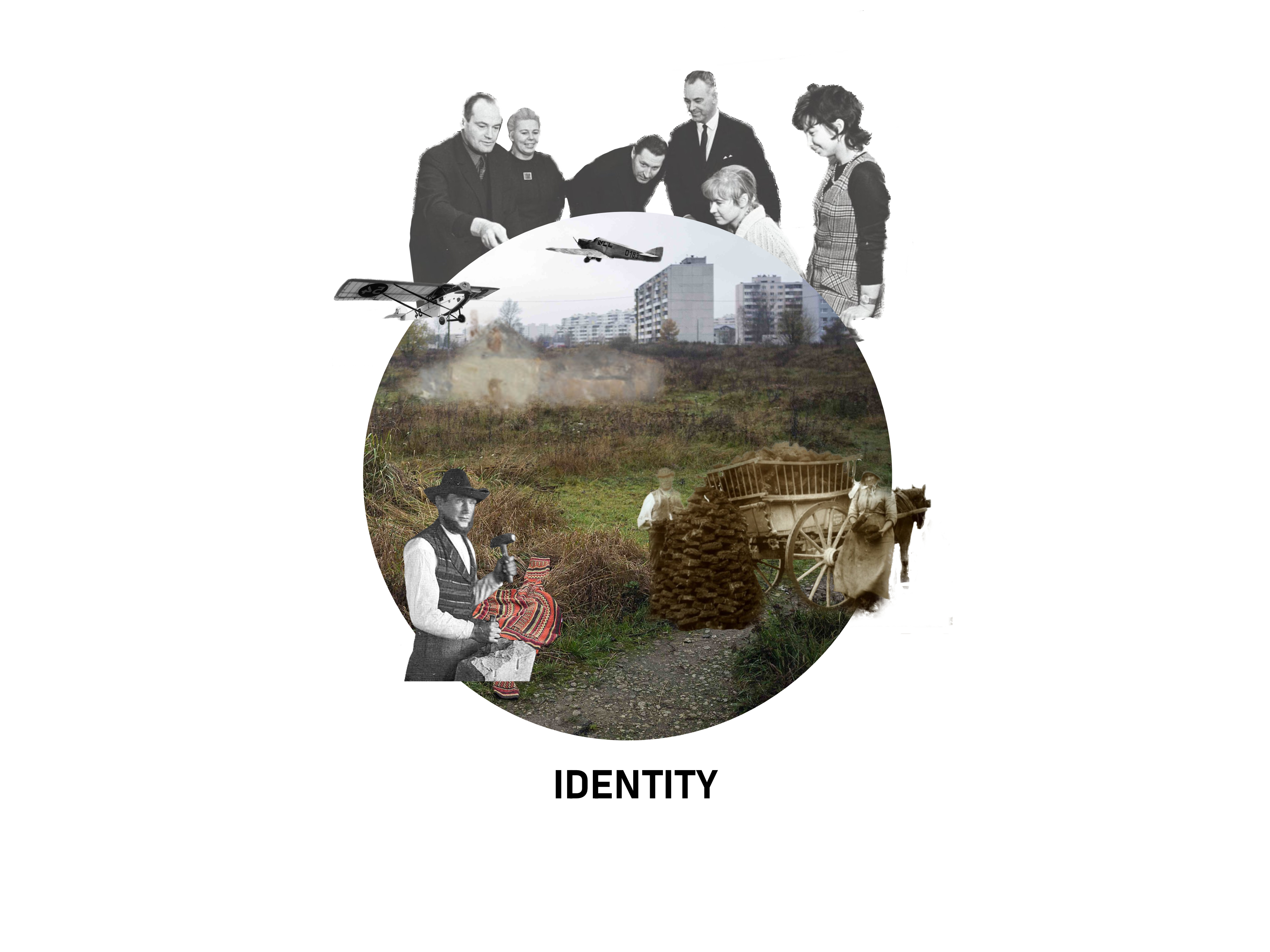
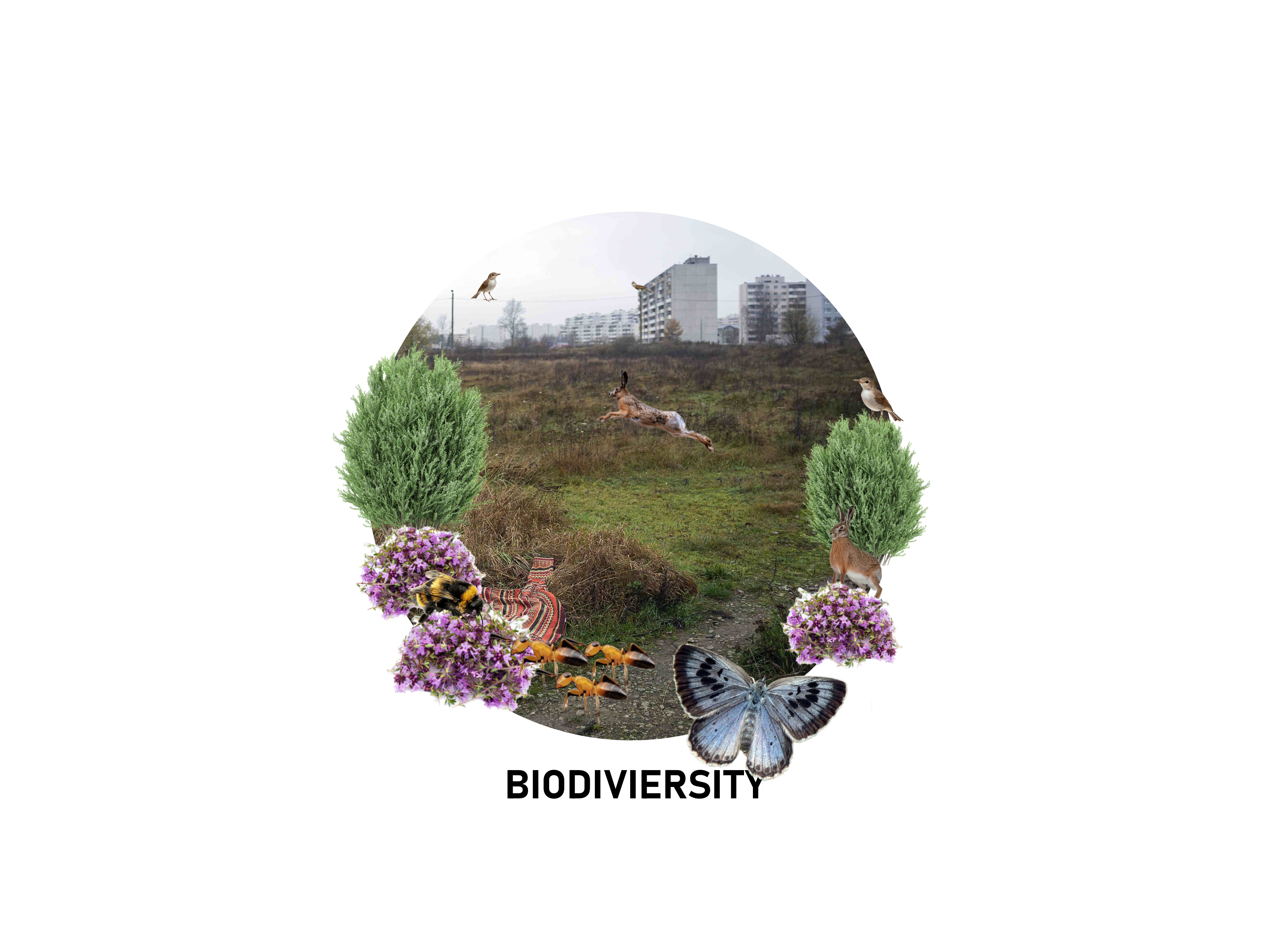
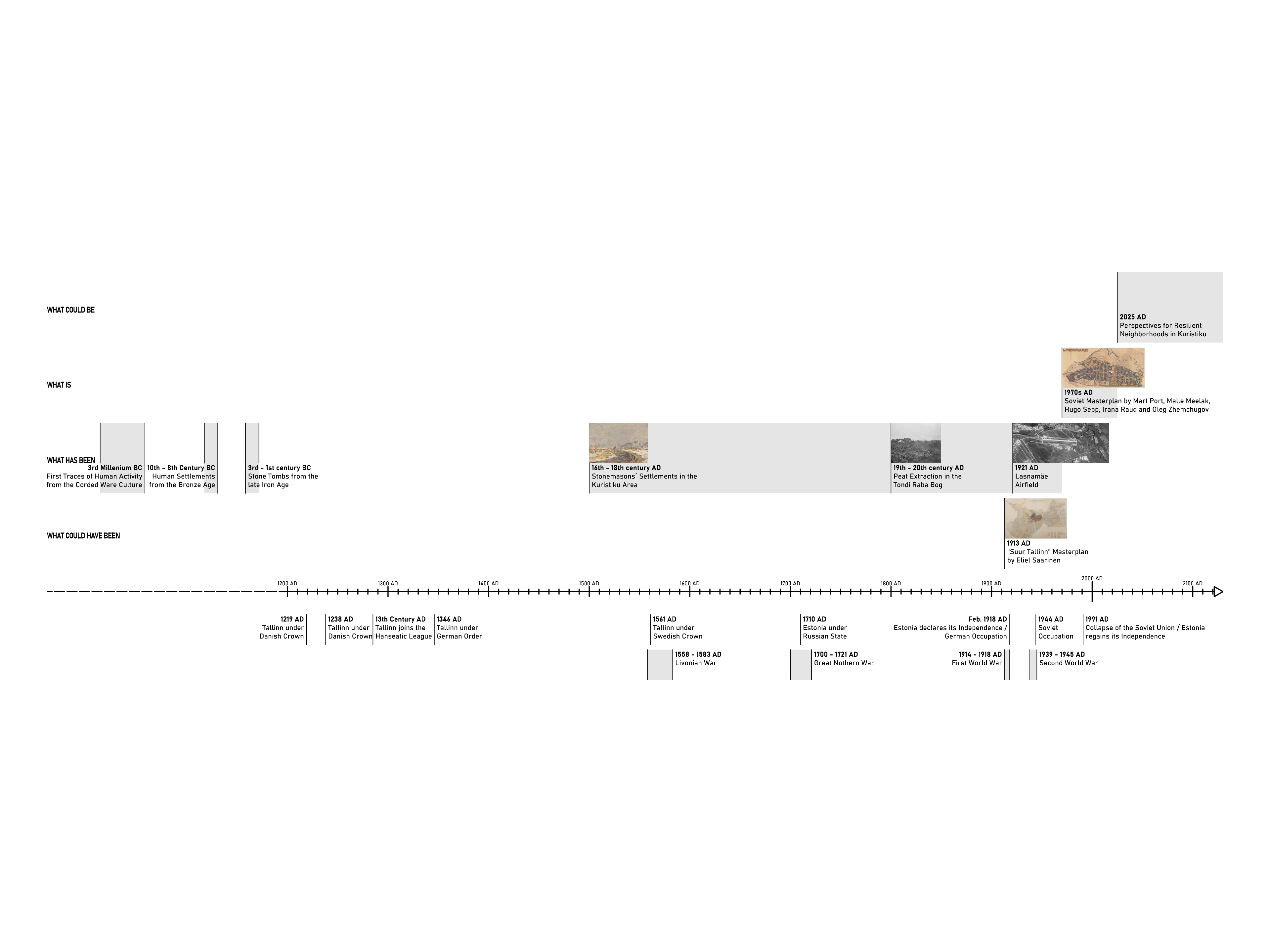
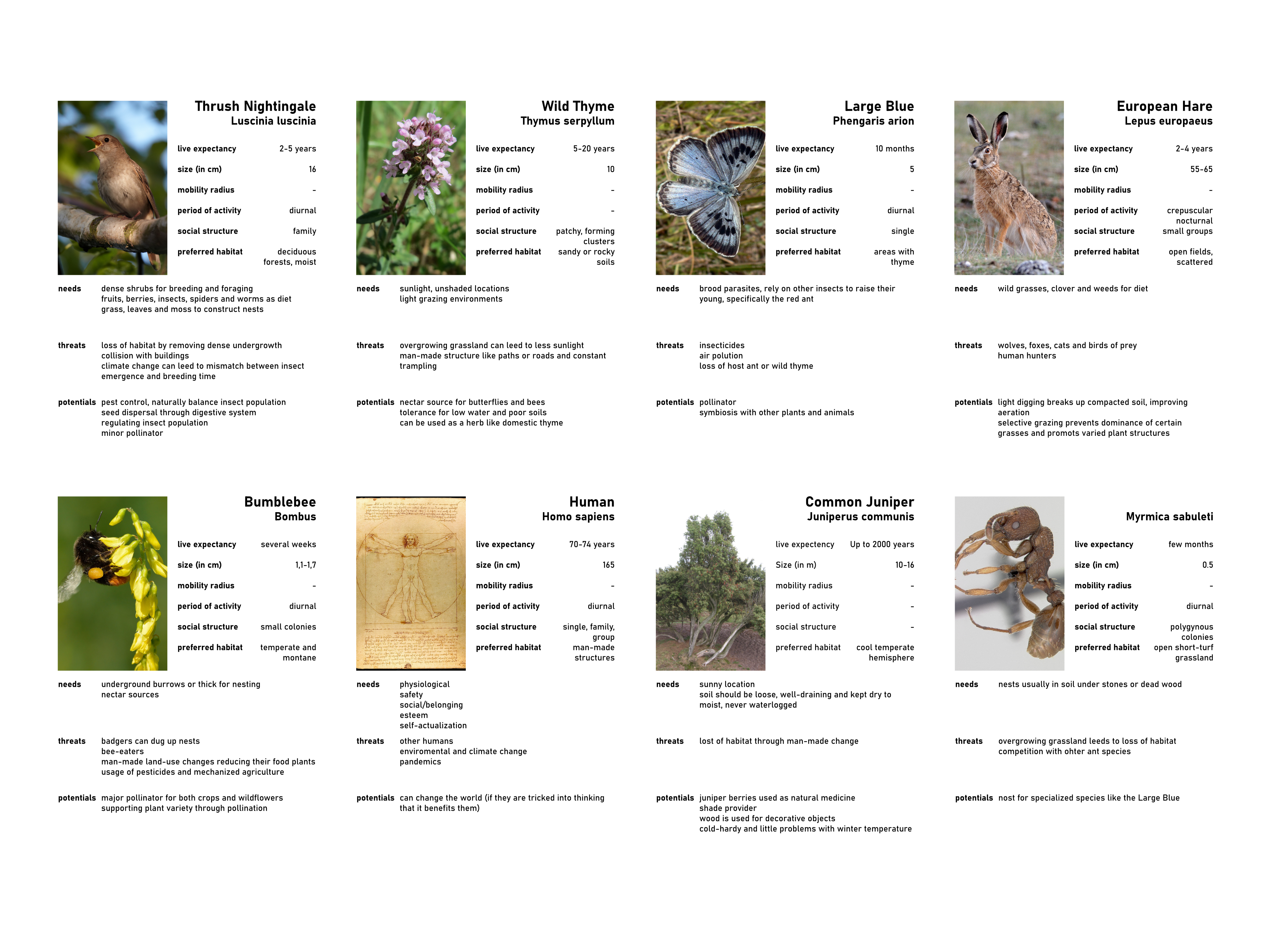
In our design, we address resilience through two main ideas. The first is to analyze the district’s history to better understand its Genius Loci, which describes the identity and inherent character of a place. To do this, we have collected and studied historical maps and other materials to identify the conditions that shaped what Kuristiku was, what it is, and what it could have been. The second idea is to curate an atlas of the various animals, insects, plants, and humans in Kuristiku. The third goal: fostering a stronger sense of socio-ecological responsibility. We aim not only to strengthen the connection between humans and nature but also to encourage stronger social bonds, forming resilient communities. These three aspects—identity, biodiversity, and socio-ecological responsibility—together form a resilient neighborhood. Biodiversity helps combat climate change, while a strong sense of identity and responsibility builds communities capable of addressing both man-made and natural challenges.


Resilience through Resident-Based Gradual Transformation
Paula Mohrbacher, Hannah Weber
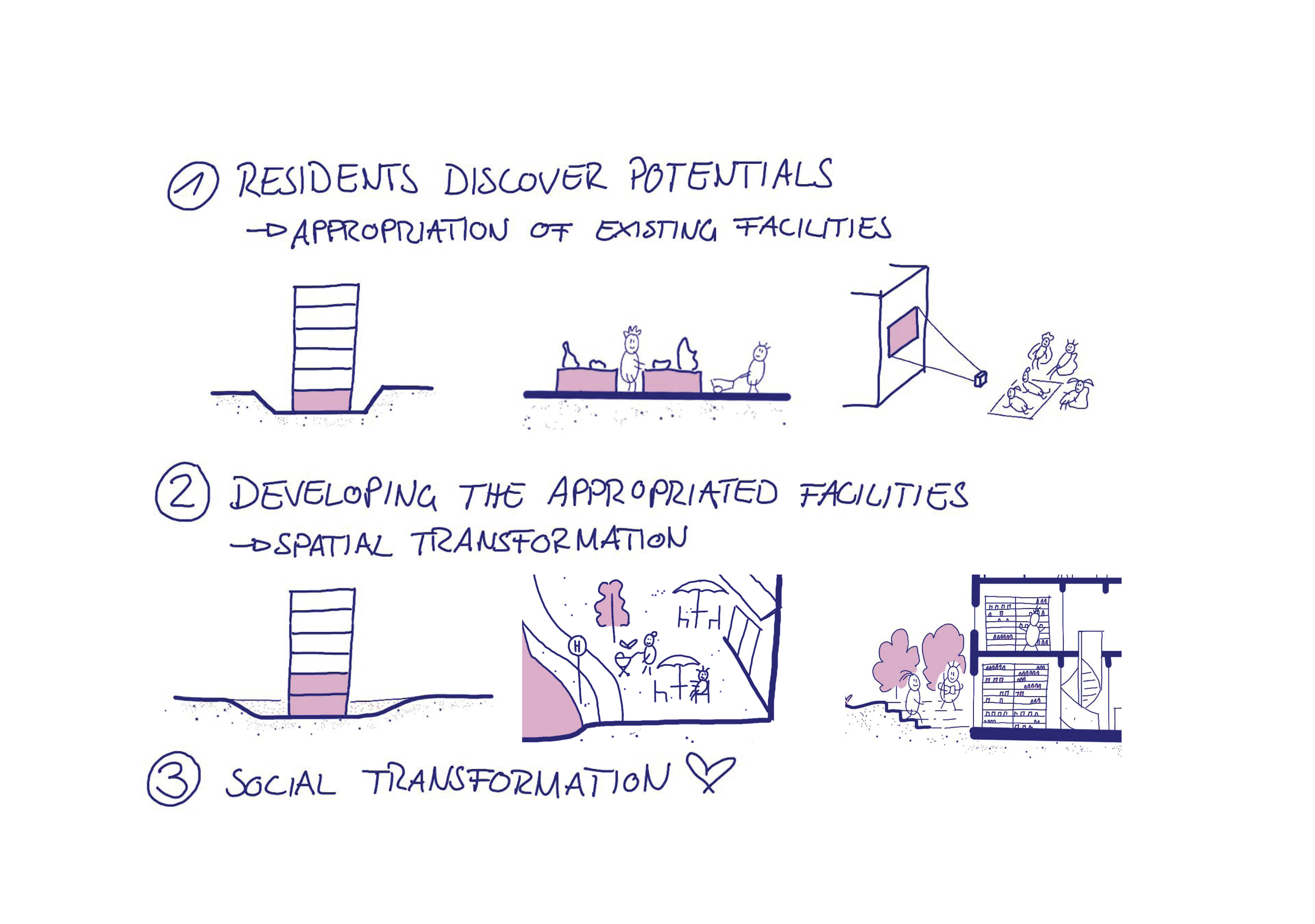
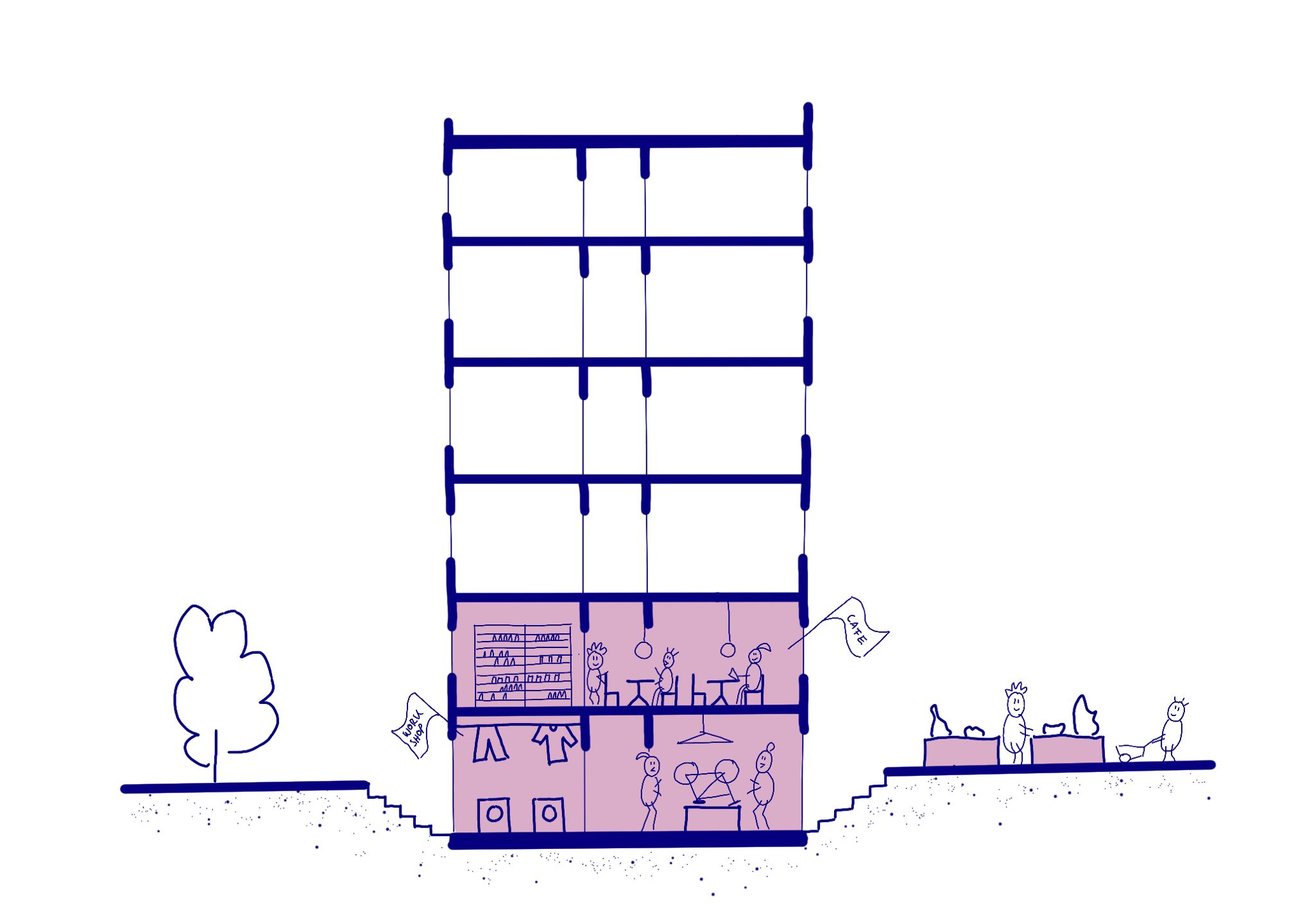
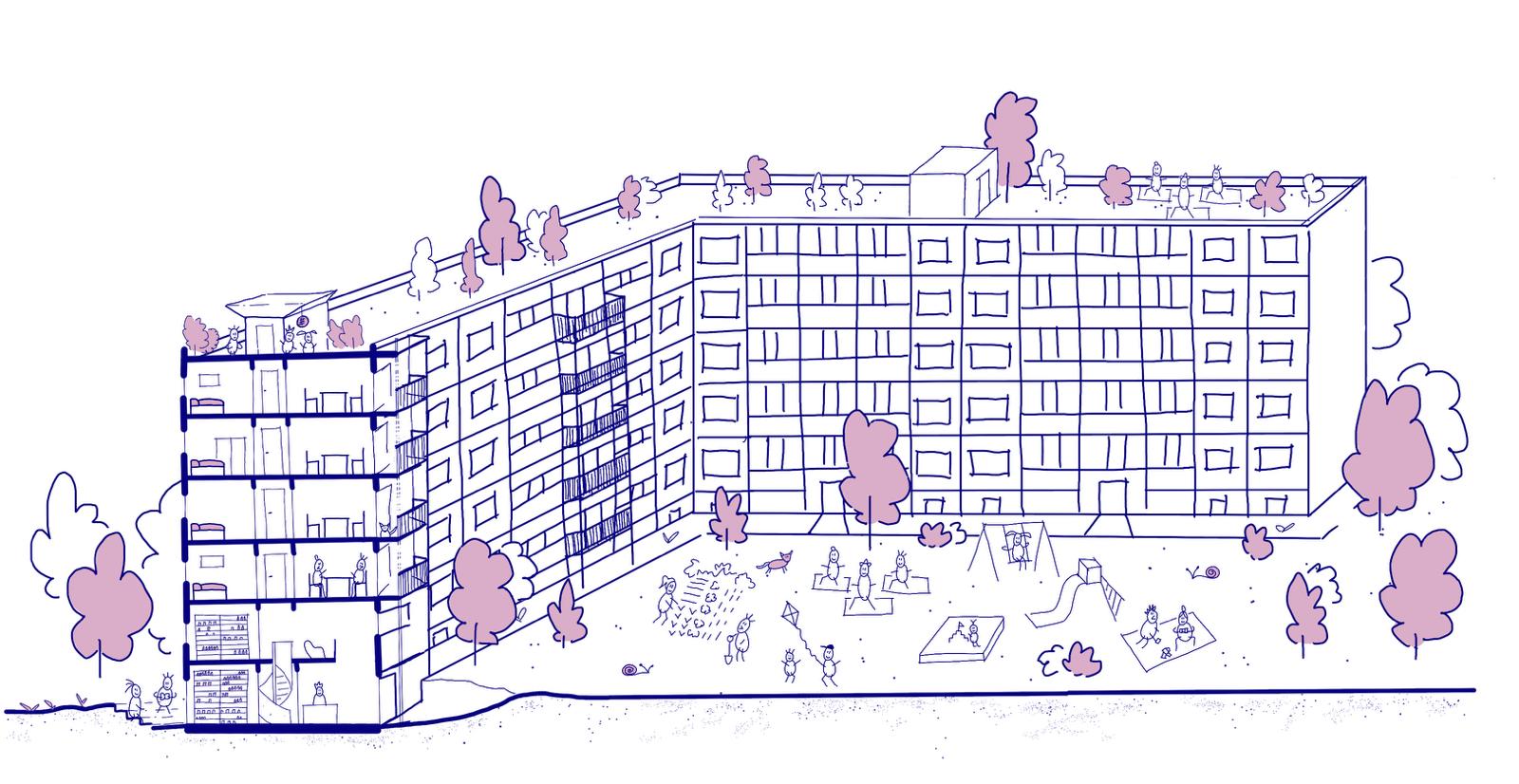
In our project, we address resilience by aiming to transform the district gradually and by actively involving its inhabitants. The transformation is initiated in a bottom-up manner by the residents themselves. In the first phase, residents will discover the potential of existing facilities in the district, such as vacant basements, car-dominated courtyards, or temporarily unused rooms and other spaces. With the support of NGOs like Lasna!dee, pop-up events are organized, allowing residents to appropriate these spaces and bring them to life. Once these facilities are in use and residents realize they can drive the transformation, spatial development can begin by adapting and enhancing the appropriated spaces to meet users’ needs. This bottom-up planning fosters a sense of community and self-efficacy, helping to animate the new facilities and enabling Kuristiku to overcome its stagnation. After establishing these communal uses, larger-scale interventions can follow to ensure resilient development and strengthen the functioning of the newly activated facilities. Ecological measures, initially addressed on a small scale—such as planting trees and establishing communal gardens—must later tackle larger challenges, like fragmented habitats for flora and fauna, due to the district’s size.
KurisCO-Lab
Noah Daum, Dominik Vormbruck
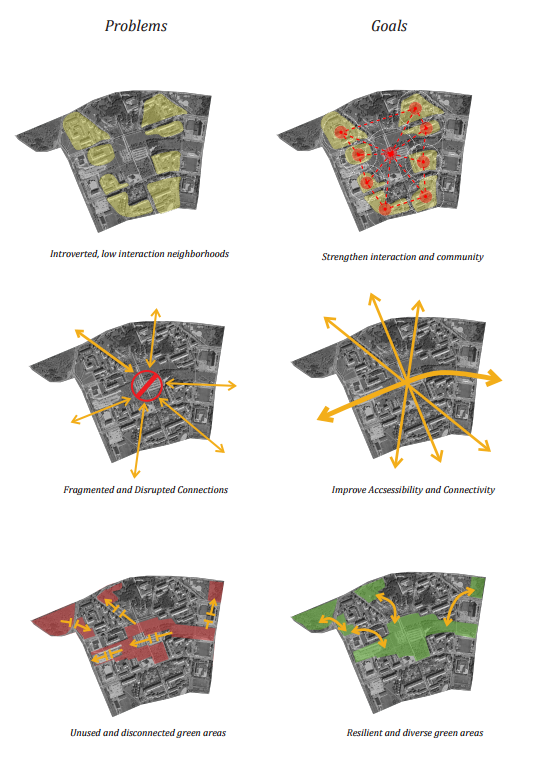
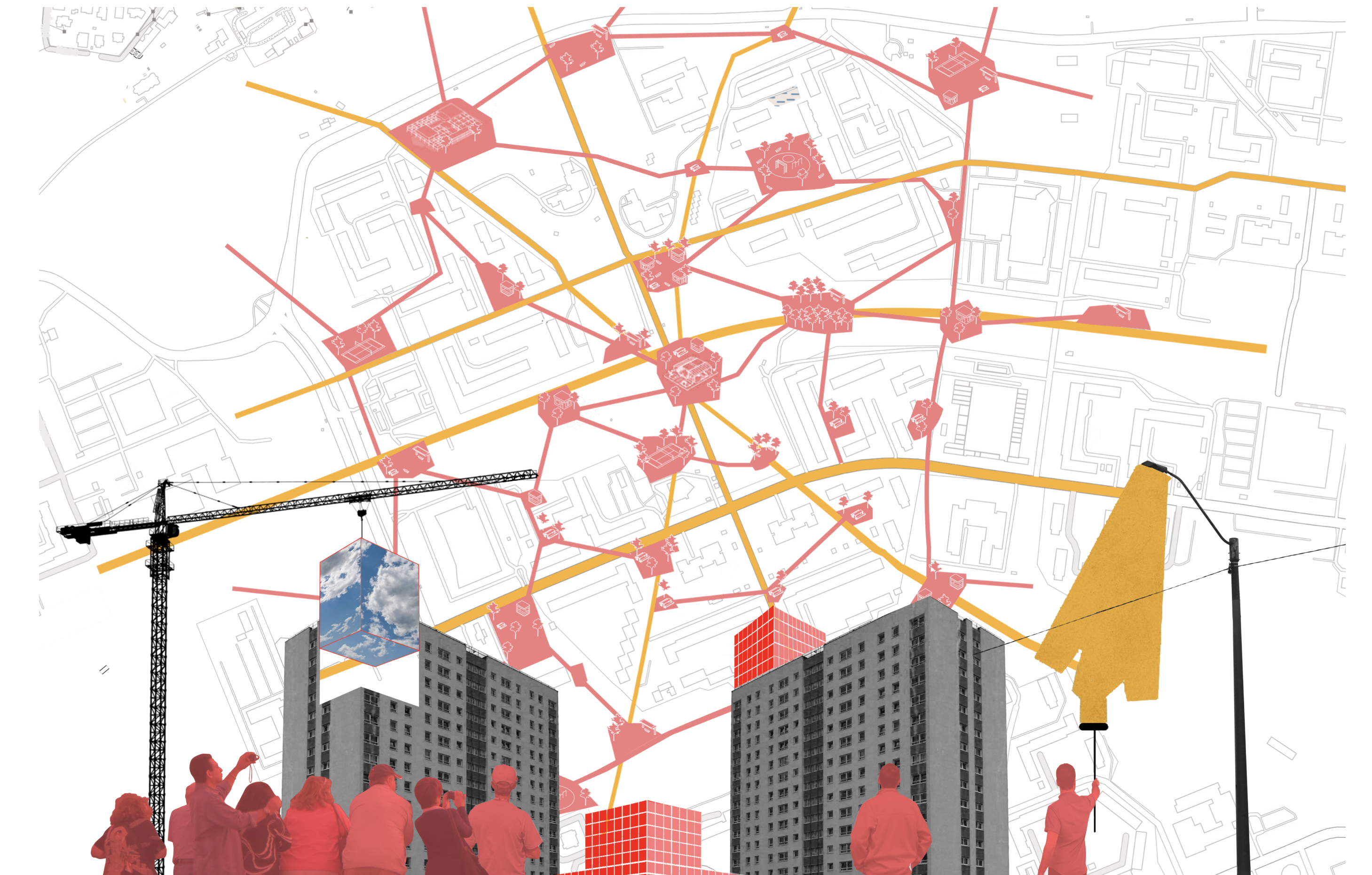
KurisCO-Lab defines resilience as the ability of the district to strengthen social cohesion, ecological diversity, and adaptive mobility while respecting existing structures. Our goal is to transform barriers into connectors, revive underused green spaces, and enhance pedestrian networks within and beyond Kuristiku. By unsealing surfaces and extending existing paths, we aim to promote safe, confident walking and improve connections to neighboring districts and the inner city. These goals are pursued through resident appropriation and small-scale interventions. Resilience here is not achieved through large, disruptive projects, but through incremental changes that gently reshape space, empower residents, and reinforce local identity. Residents are not passive users but active participants in shaping their environment. KurisCO-Lab envisions a resilient Kuristiku that evolves with its community, ecology, and everyday life.
Resilient Kuristiku
Silas Schmidt, Hannah Tilenius
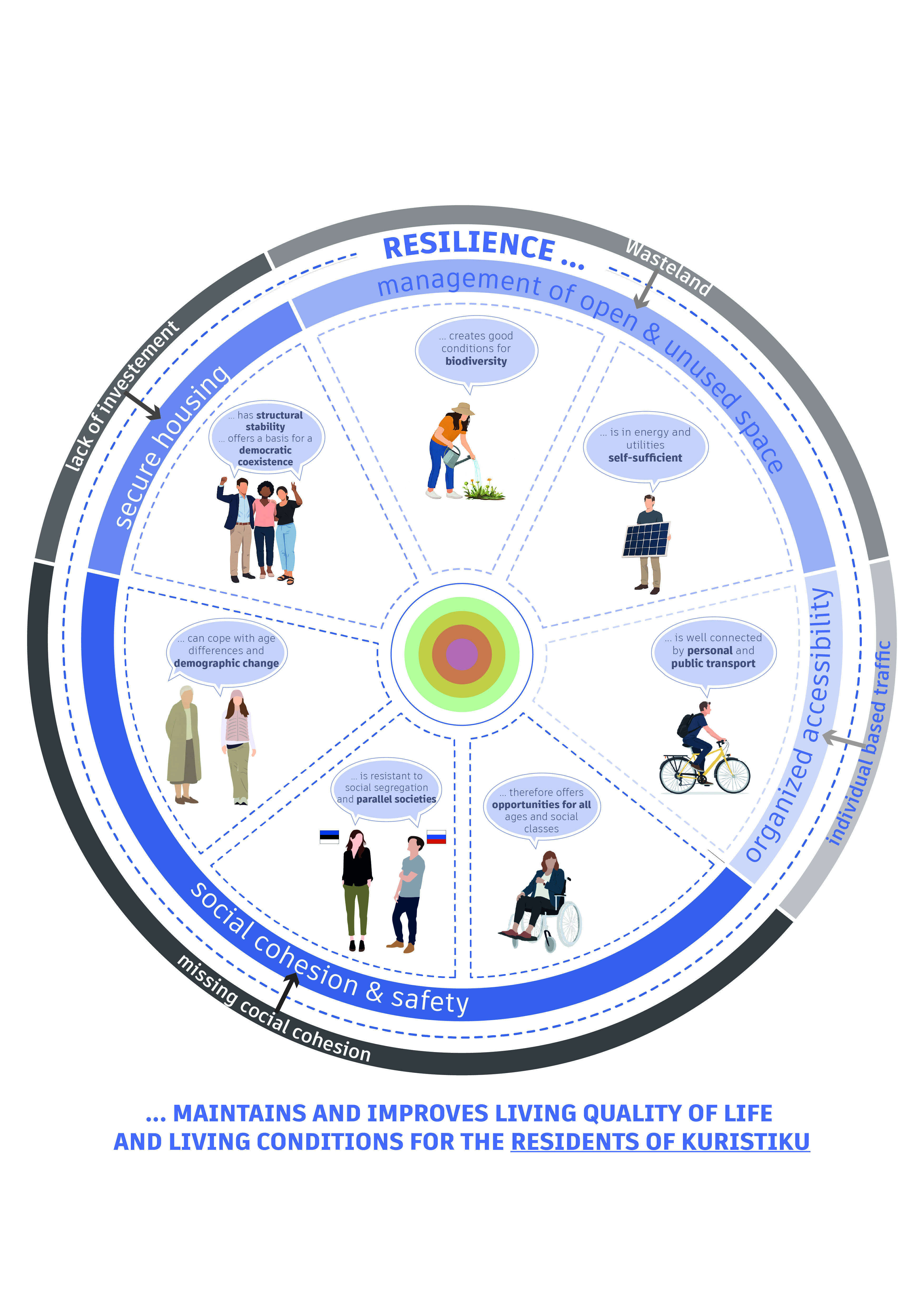
Our concept is aiming for six major goals:
- Kuristiku has to create good conditions for biodiversity, to maintain good outdoor quality and long-term wellbeing of the residents.
- Kuristiku should become self-sufficient in energy and utilities to be independent from external supply.
- In terms of accessibility, it should be well connected by additional tram and bike lanes.
- Parallel societies are a threat to a resilient city. Therefore, more social cohesion should be fostered between all residents, thereby creating social security.
- Concerning the older population of Kuristiku, it should be able to cope with age differences and demographic change. Therefore, young people’s needs must be addressed in order to encourage them to stay.
- Maintaining existing buildings to provide stable housing for the future is crucial for structural stability and democratic coexistence. Therefore, common action has to be fostered.
Each of these interventions will be addressed on different scales of Kuristiku, starting with our smallest scale, the inhabitants of the buildings, whose cooperation and cohesion must be supported with financial strategies and meeting places. This enables them to maintain the building fabric and the surroundings.